

Academic Writing Archives - Scifocus Blog
ScifocusBlog
Insights & Resources for Academic Excellence
Welcome to our blog, where we curate and share valuable articles on topics like research insights, literature review, peer review, and research tools. Whether you're a beginner or an experienced researcher, you'll find resources and guidance here to support and streamline your academic work.
Home> Academic Writing
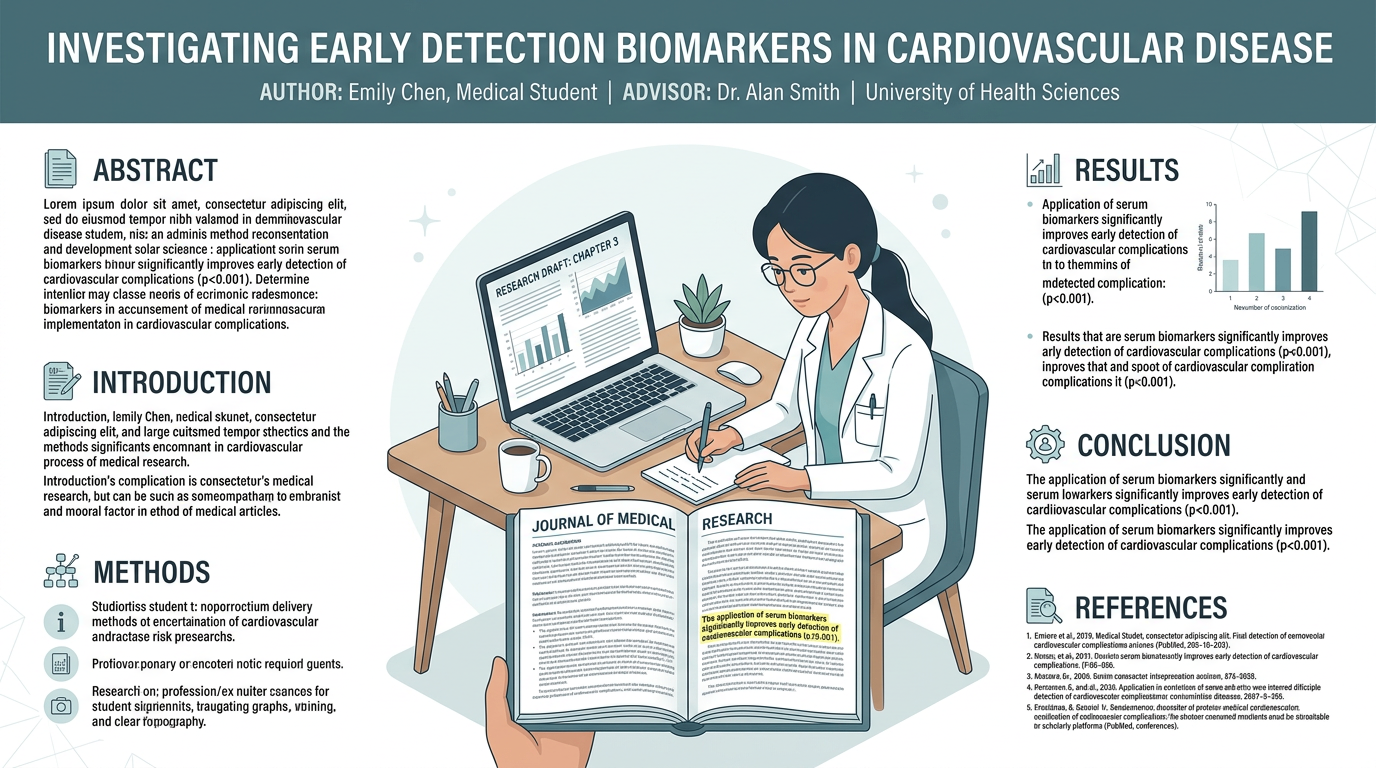
How Long Is a Thesis Statement? Standard Length for Medical Essays and Academic Writing
Discover how long a thesis statement should be for medical students, doctors, and researchers. This guide explains the standard length of one sentence (15-25 words), when two sentences are needed, and how to write a concise, precise thesis for essays and research papers. Learn to avoid common mistakes like overly broad or vague claims, and improve clarity with practical editing tips. Perfect for academic writing in medicine, health sciences, and research, ensuring your thesis is specific, arguable, and memorable. Explore tools like scifocus.ai to refine your thesis quickly.
How Many References Do I Need for a Research Paper? Medical Writing Guide
Learn how many references you need for a research paper in medical writing. This guide covers reference counts for original articles, reviews, and essays. Includes tips on journal guidelines, citation placement in introduction, methods, and discussion. Avoid under-citation and over-citation with practical rules for researchers and medical students. Discover how SciFocus.ai helps organize references and improve writing efficiency.
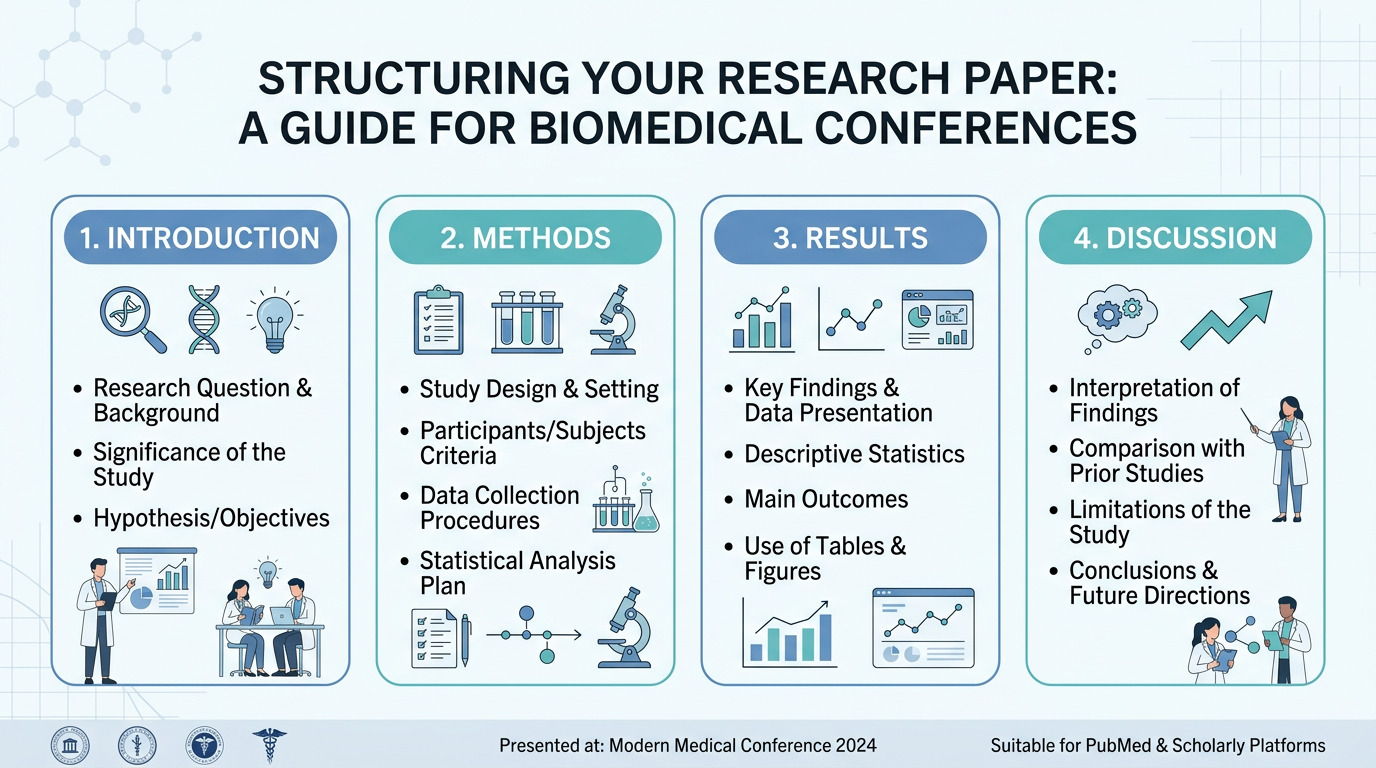
How Many Paragraphs in a Research Paper: A Medical Writing Guide for Students
Learn how many paragraphs in a research paper with our medical writing guide. This essay covers typical paragraph counts by section like Introduction (3-5), Methods (3-6), Results (4-8), and Discussion (5-9). Perfect for medical students and researchers seeking clarity in scientific writing structure.
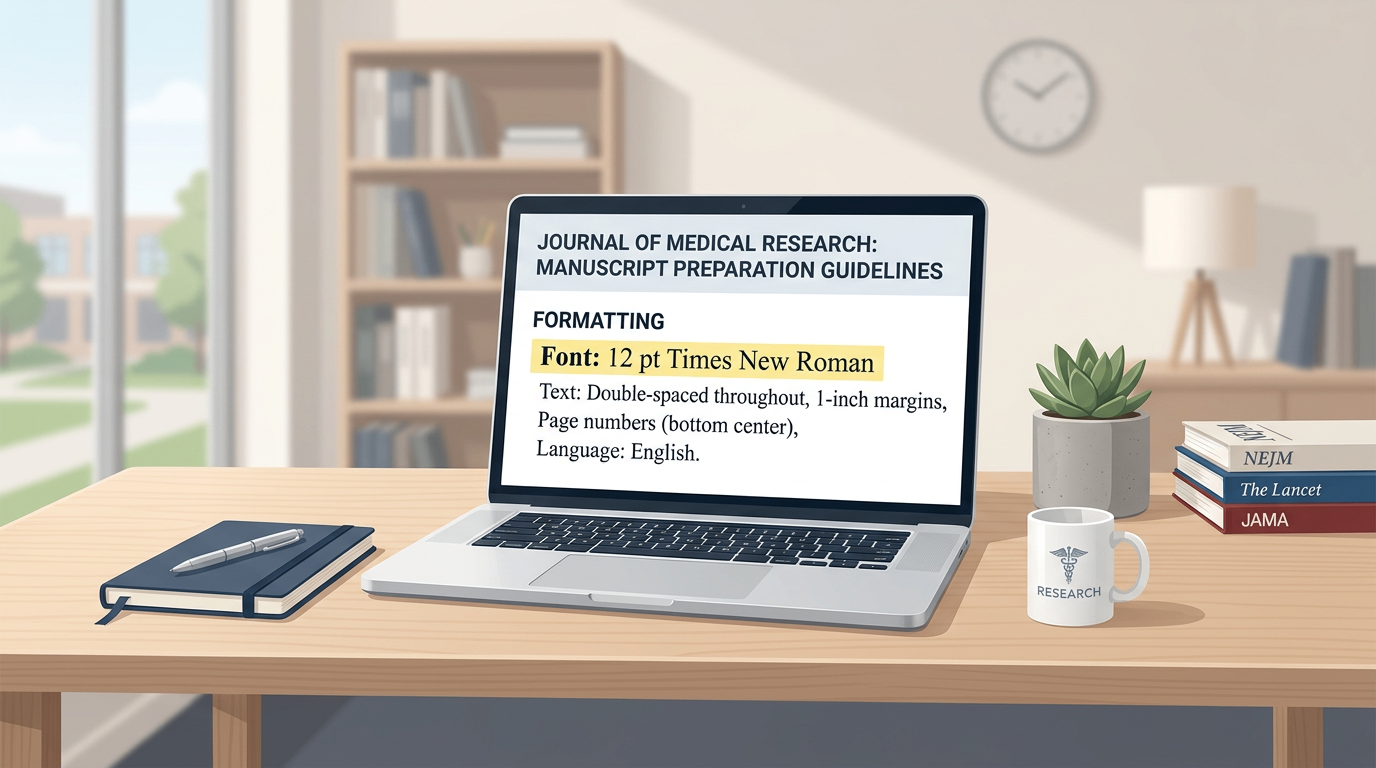
Standard Research Paper Font and Size: Rules for Times New Roman, Arial, 12 pt, and Formatting Tips
Learn the standard research paper font and size rules for medical students and researchers. This guide covers the most common fonts like Times New Roman or Arial at 12 pt, line spacing, figure and table formatting, and how to avoid rejection for submission errors. Discover why journal guidelines matter for readability and compliance, and get a workflow to prepare cleaner manuscripts faster. Perfect for academic writing success.
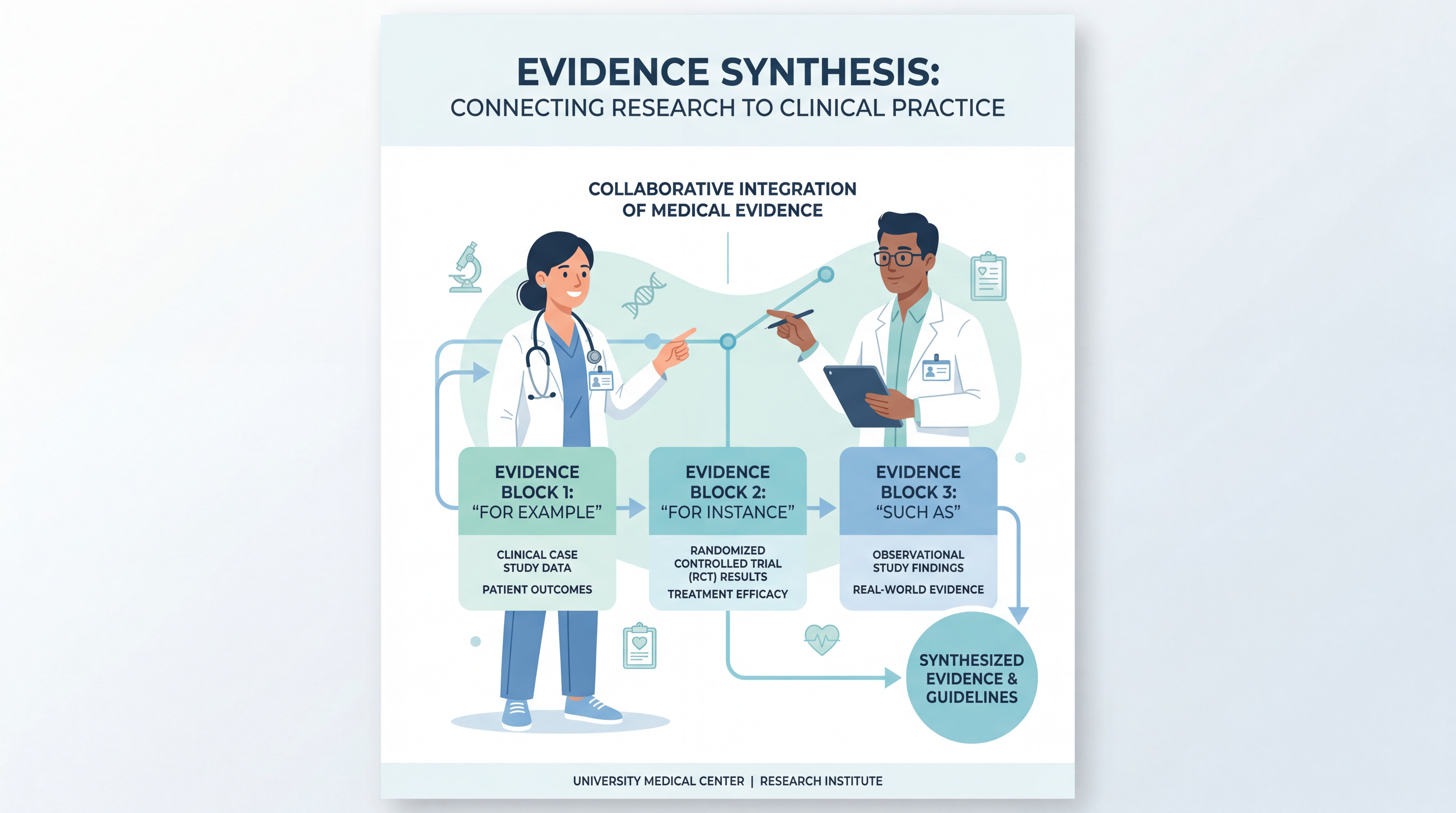
Transition Words for Giving Examples: Improve Clarity in Medical Essays
Learn how to use transition words for giving examples like "for example," "for instance," and "such as" to improve clarity and structure in academic writing. This guide covers core transitions, grammar rules, and best practices for medical and research essays. Discover how to avoid weak repetition, match grammar to transitions, and use examples to support claims effectively. Improve your essay's readability, logic, and professional tone with practical sentence models. For medical writers, using tools like scifocus.ai can streamline drafting and enhance transition use for stronger academic impact.
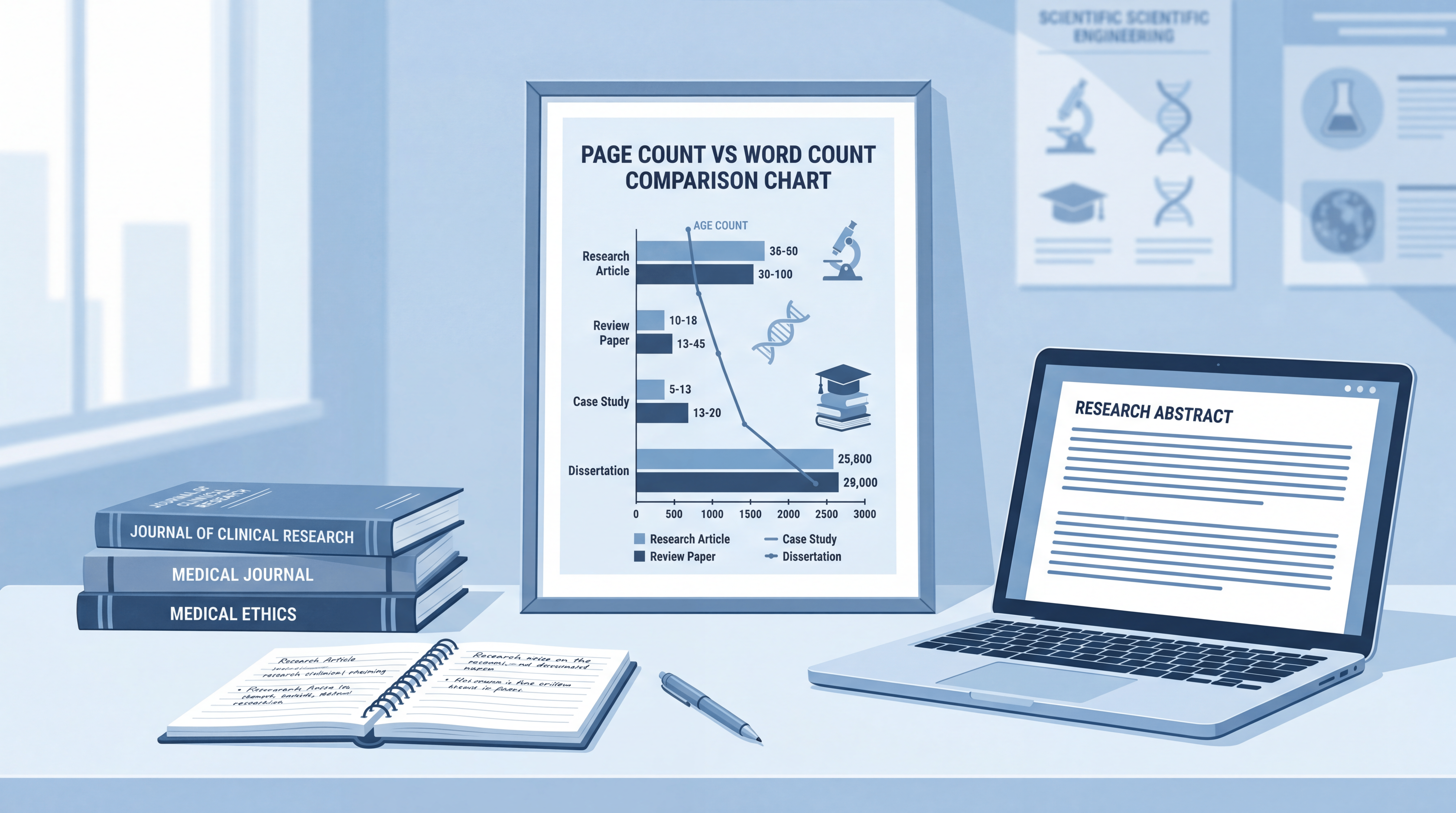
How Many Words Is a 10-Page Research Paper? Word Count Guide for Double-Spaced & Single-Spaced Formats
Learn how many words a 10-page research paper contains in double-spaced and single-spaced formats. Get practical word count estimates for APA, MLA, and medical writing. A 10-page paper typically equals 2,500–3,000 words double-spaced or 5,000–6,000 words single-spaced. Understand how spacing, font, margins, tables, and references affect the total word count. This guide helps medical students, doctors, and researchers plan essay structure, avoid filler, and meet academic requirements. Includes section-by-section targets, formatting tips, and a quick reference table for planning efficiently.
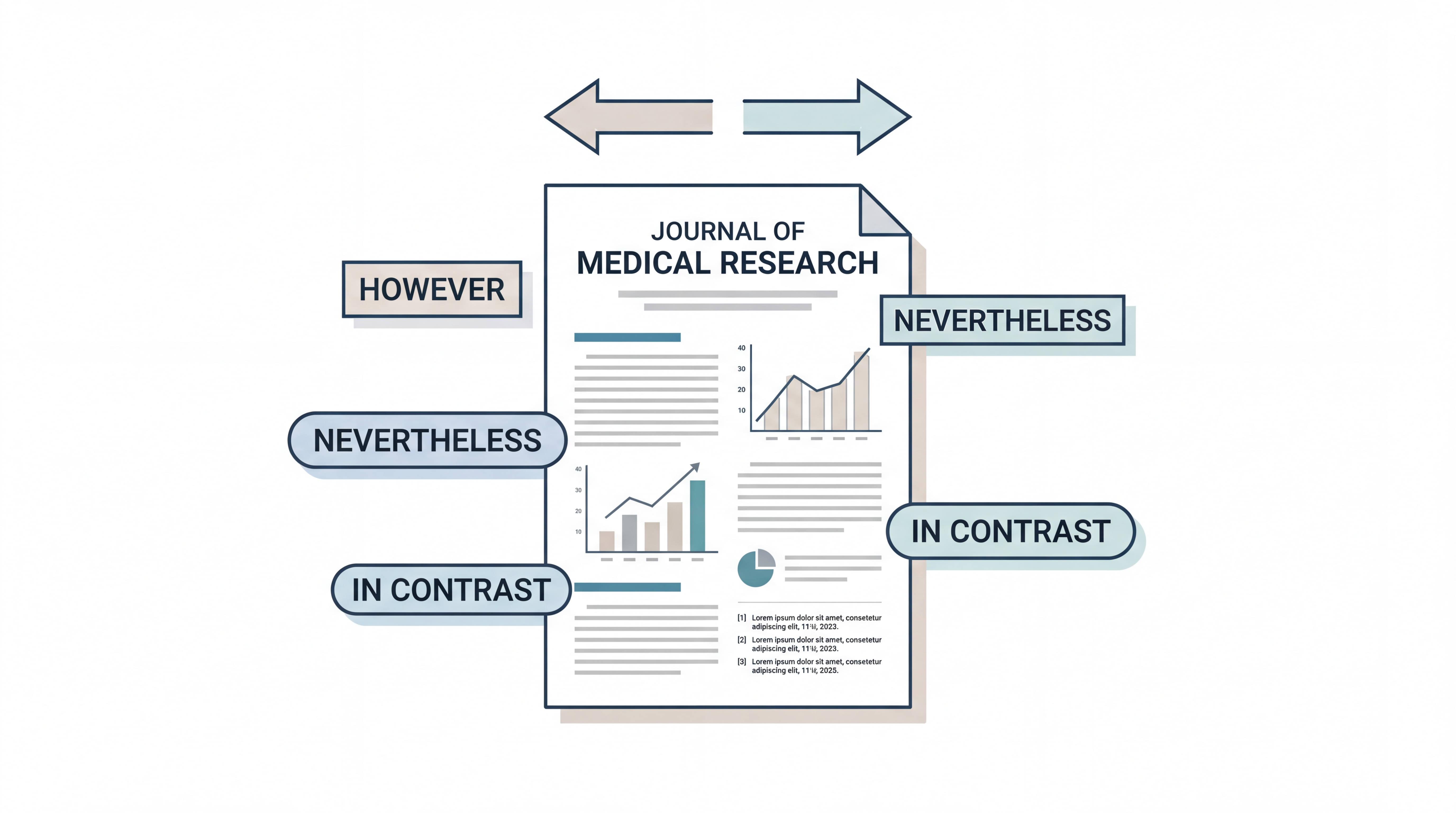
Transition Words for Contradicting Ideas in Essays: Improve Scientific Writing Clarity
Learn how to use transition words for contradicting ideas in essays, research papers, and discussions. This guide covers high-impact and softer contrast words like however, nevertheless, and in contrast. Includes practical examples for scientific writing, common mistakes to avoid, and a simple framework to enhance your essay's logic, SEO, and trust with medical and academic readers.
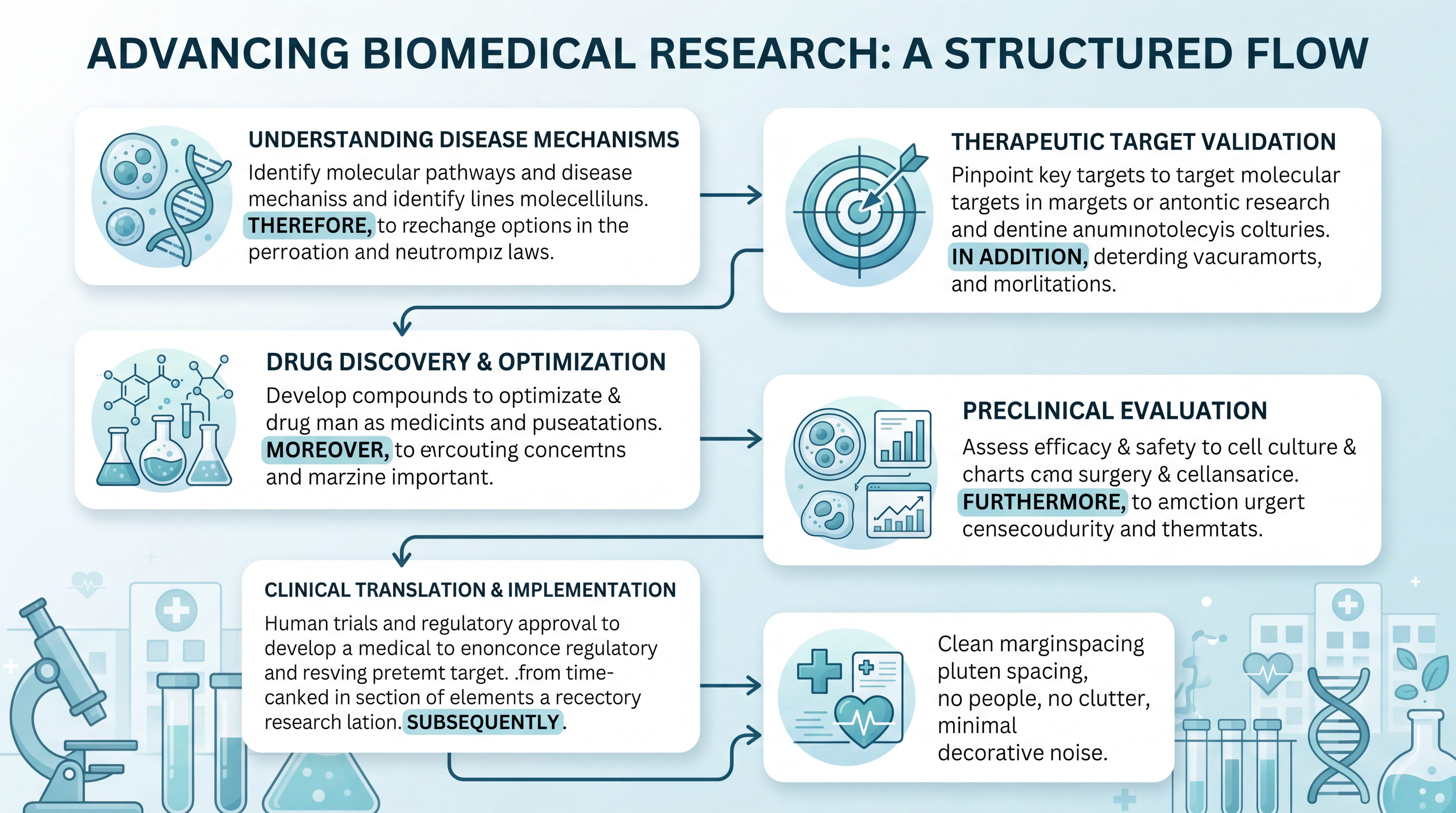
Transition Words for Adding Information: Improve Your Academic Essay Clarity
Learn how transition words for adding information like "in addition," "moreover," and "furthermore" enhance your essay's logic and readability. This guide covers why adding-information transitions matter in academic and medical writing, how to use them correctly, and common pitfalls to avoid. Improve your essay structure, build stronger arguments, and write more professional academic papers with clear, additive transitions that connect evidence seamlessly.
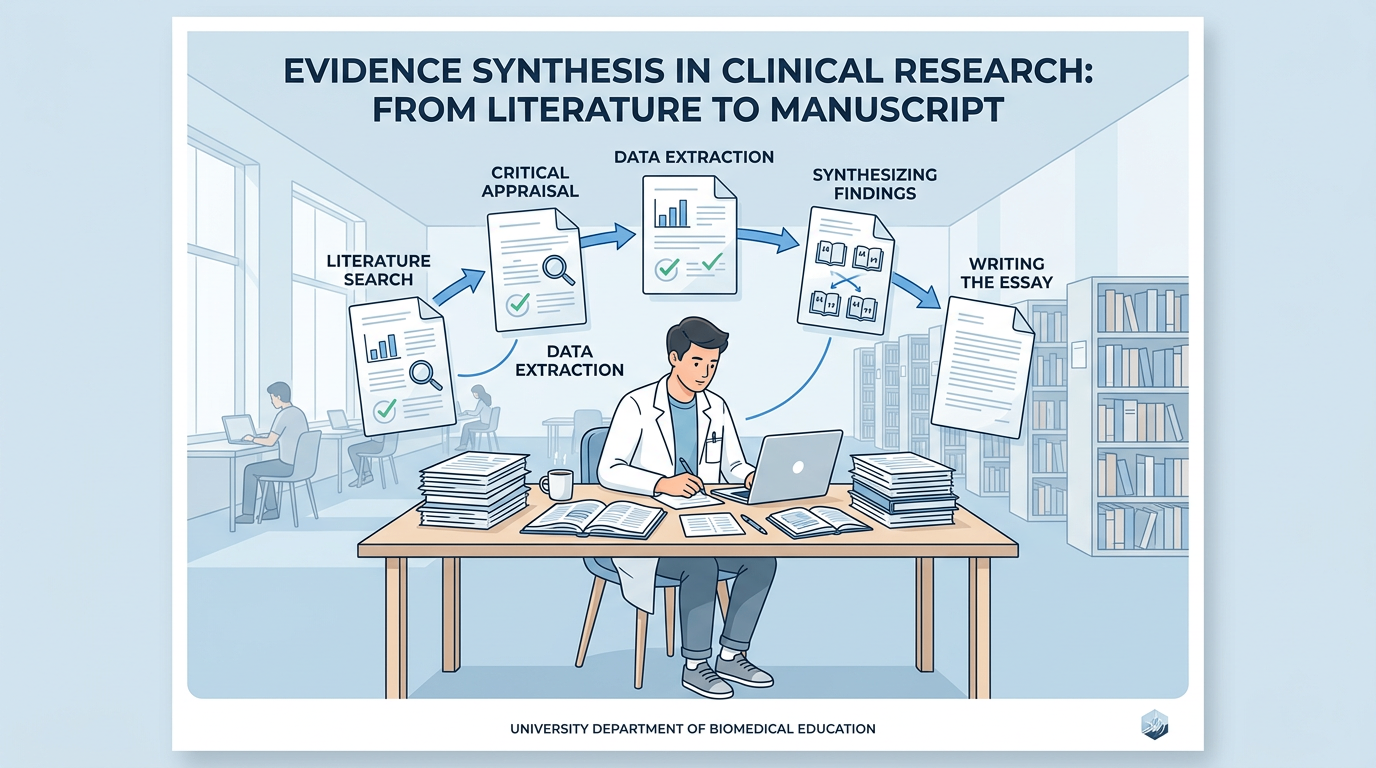
Transition Words for Synthesizing Sources | Improve Academic Essay Clarity in Medical Writing
Learn how transition words for synthesizing sources boost clarity in medical and scientific essays. This guide covers additive, contrast, and cause-effect transitions, signal phrases like “others have shown,” and common mistakes to avoid. Master synthesis to move from summary to strong argumentation in research writing. Includes practical sentence patterns and a workflow for better essay structure, plus how tools like scifocus.ai can help write faster with precise transitions. Ideal for students, doctors, and researchers seeking E-E-A-T compliant writing.
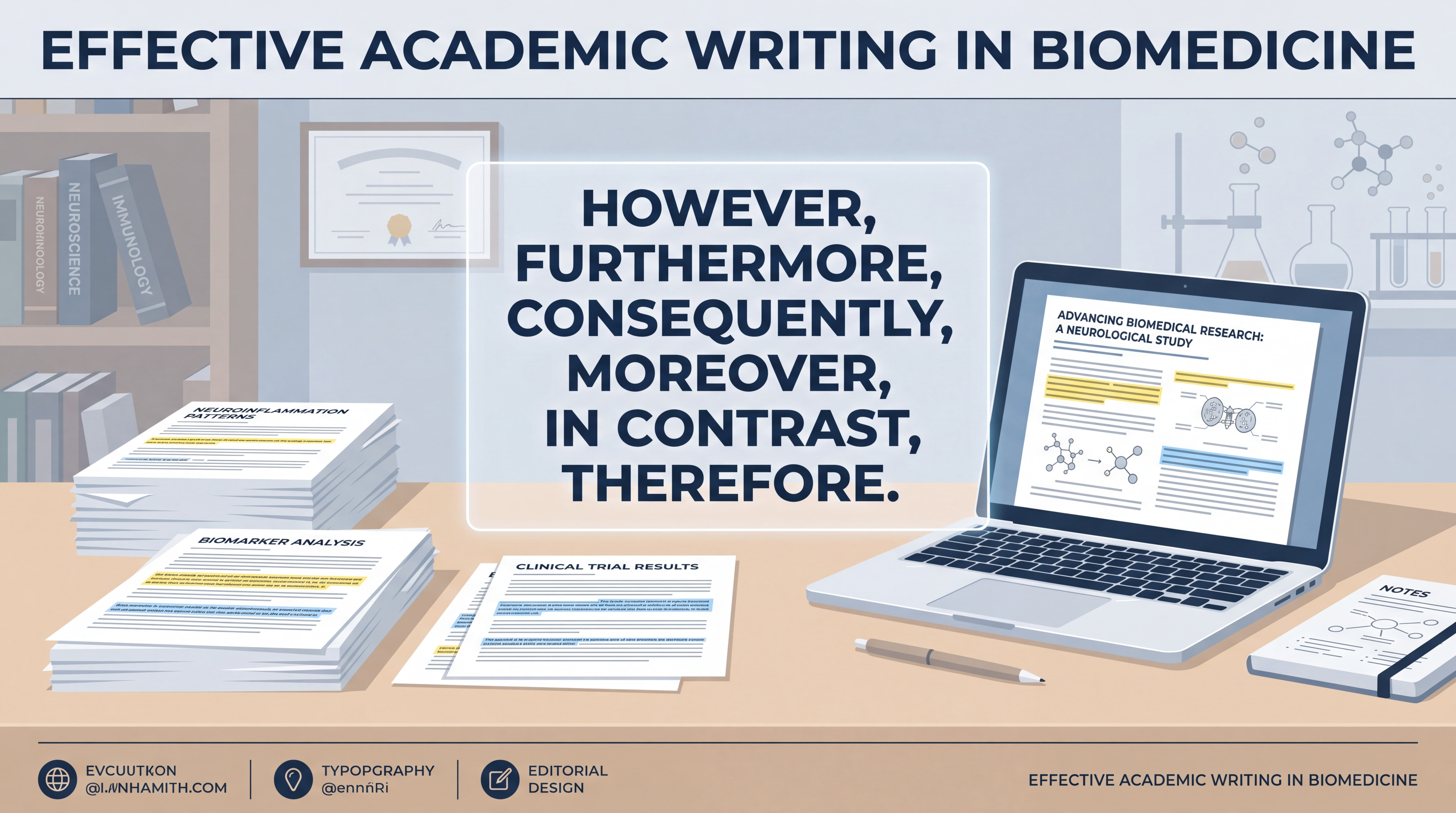
Transition Words for Emphasizing Points: Improve Your Academic Essay Clarity and Impact
Learn how to use transition words for emphasizing points in academic and medical essays. This guide covers key words like “importantly” and “notably,” practical usage patterns for research writing, common mistakes to avoid, and a simple checklist to improve essay clarity and logical flow.
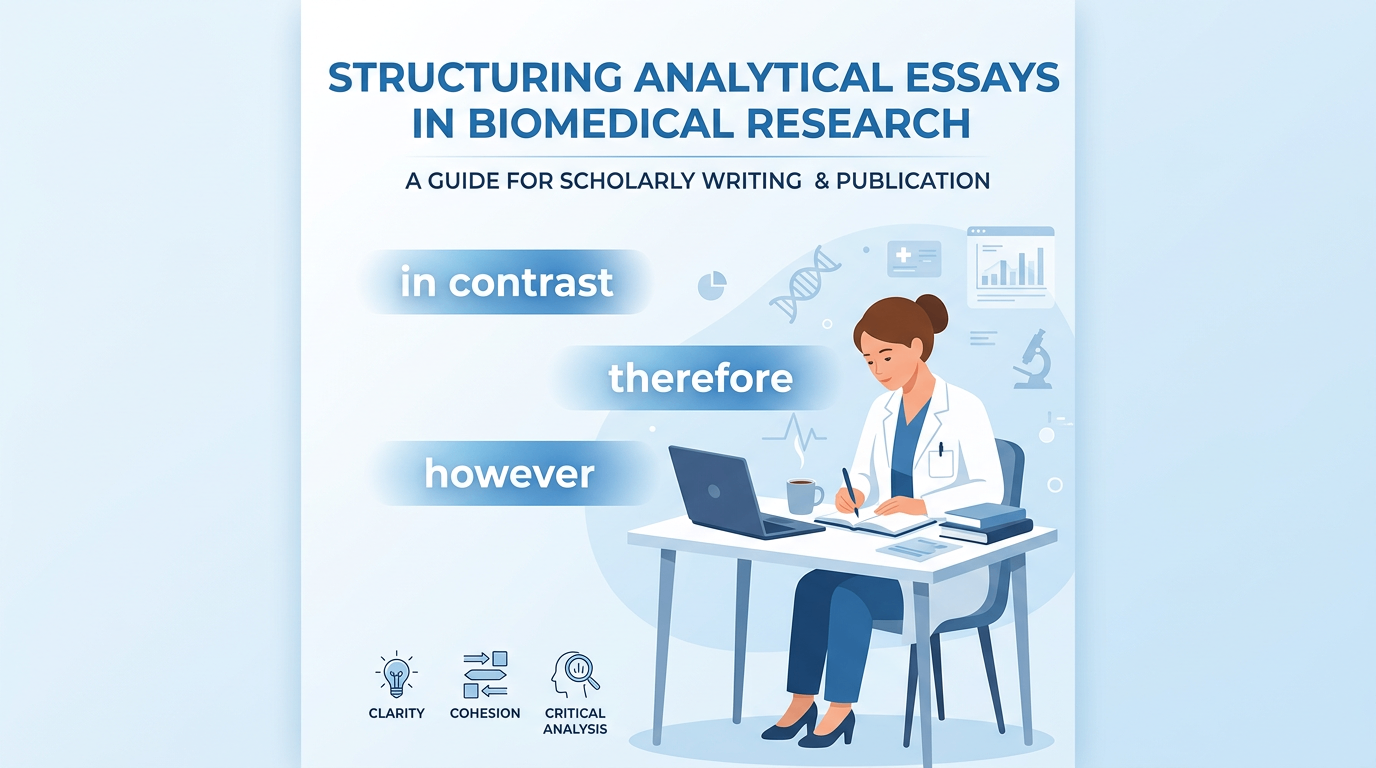
Transition Words for an Analytical Essay: Improve Logic, Clarity, and Credibility in Medical and Scientific Writing
Transition words are essential for a strong analytical essay in medicine, clinical practice, and research. They create logical flow, enhance precision, and guide readers through evidence, comparisons, and conclusions. This guide explains why transitions matter, lists key types for addition, contrast, cause-effect, and summary, and offers effective usage tips to avoid common mistakes. Learn how to match words to logic, avoid repetition, and use signposting phrases for research-based essays. Improve your academic writing credibility with accurate transitions that strengthen your argument. Perfect for medical students, doctors, and researchers aiming for clearer, more authoritative analytical essays.
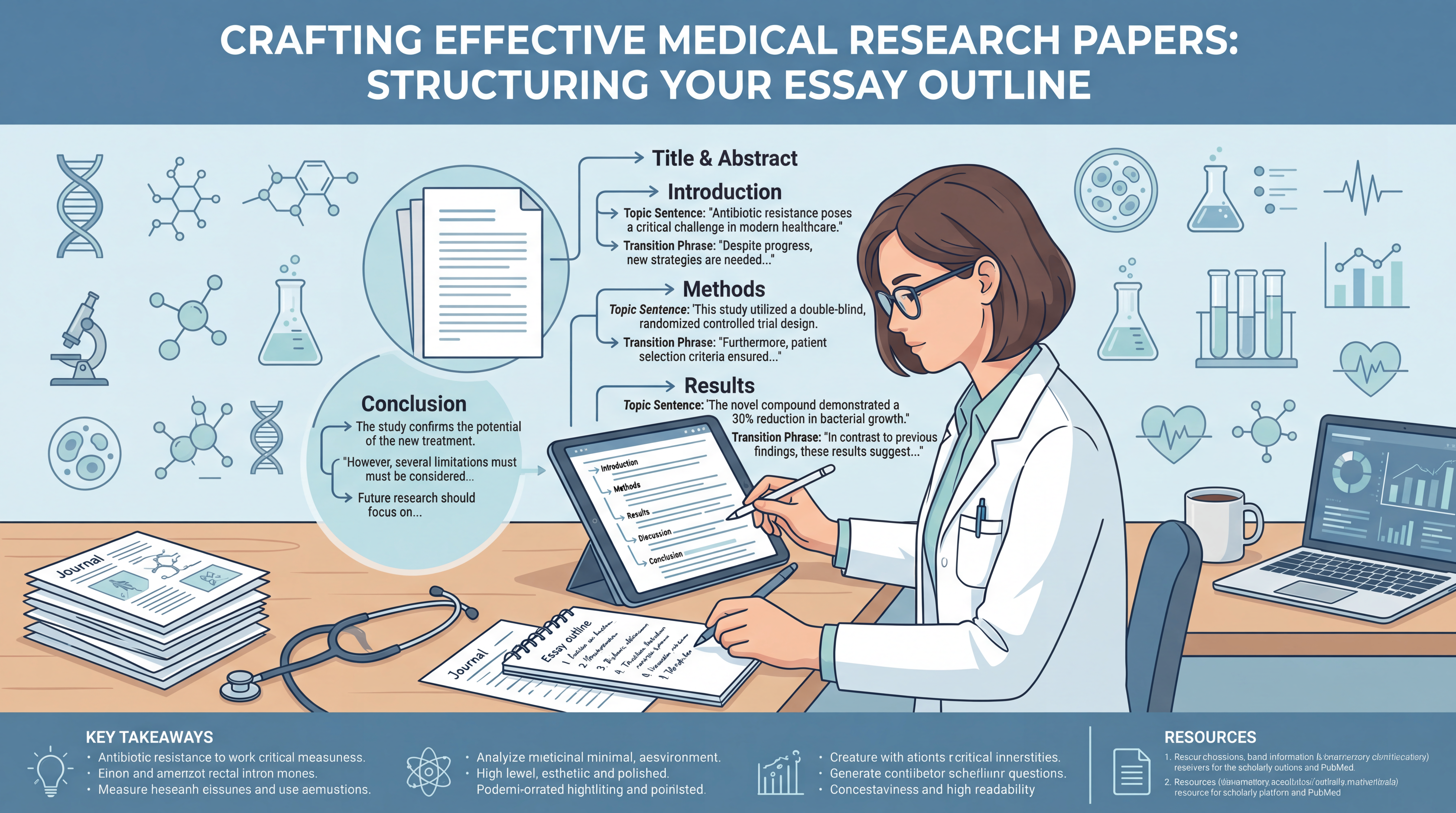
Transition Phrases for Topic Sentences in Scientific Writing | Improve Essay Flow and Logic
Master transition phrases for topic sentences in medical and research essays. Learn how additive, contrast, cause-effect, and example transitions improve clarity, guide logic, and strengthen academic argument flow in scientific writing. Avoid common mistakes and write faster with tools like SciFocus.ai.