

What Is a Thesis Statement?
Introduction
Writing an essay without a clear thesis statement is like drafting a clinical report without a diagnosis. The reader sees details, but the main point is unclear. For medical students, physicians, and researchers, this weakens logic, focus, and credibility. A thesis statement is the single sentence that tells readers what your essay argues, explains, or proves. In academic writing, it shapes the entire structure. It also keeps your ideas testable, concise, and relevant.
1. What a Thesis Statement Means in an Essay
1.1 The core role of a thesis statement
A thesis statement is the central claim of an academic essay. It tells the reader what the paper will discuss and what position the author will defend. In scientific and medical writing, this idea functions like a hypothesis or purpose statement. It gives the manuscript direction.
A strong thesis statement is specific, testable, and focused on one clear idea. That is why it matters in research writing. If the statement is too broad, the paper loses precision. If it is too vague, the argument becomes weak.
For medical and scientific audiences, this is especially important. Your writing must show a clear path from question to evidence to conclusion. A thesis statement helps you do that.
1.2 Why it matters for medical and research writing
In research-based essay writing, the thesis statement is not decorative. It is operational. It guides what data you include, which references you cite, and how you interpret results. It also prevents unnecessary digressions.
A practical way to test it is simple. Add the phrase “We test that...” before your statement. If the sentence becomes testable, it is likely a strong thesis or hypothesis. If it sounds vague or impossible to verify, it needs revision.
This approach is useful in scientific writing because it asks one key question. Can your data actually answer this claim? If the answer is yes, the thesis is on the right track.
2. Characteristics of an Effective Thesis Statement
2.1 It must be clear and specific
A weak thesis statement sounds broad. For example, “Cancer is an important disease” is true, but it is too general for a strong essay. It does not tell the reader what will be argued.
A better thesis is narrower and testable. For example, “Circulating tumor cells are associated with survival in metastatic breast cancer” gives a clear direction. It tells the reader what relationship will be examined.
In medical writing, specificity improves trust. It also helps the reader understand the exact scope of the argument. Clarity is not optional. It is the foundation of effective academic writing.
2.2 It should be testable and evidence-based
A thesis statement should be something your essay can support with evidence. This is especially true in scientific writing. A statement about a new method being “good” is not enough unless you define what “good” means and how it will be measured.
Good thesis statements are usually framed as factual claims, relationships, or interpretations. They are not just opinions. They are claims that can be examined against data.
In research contexts, the statement should connect directly to the evidence. If your data do not answer the thesis, the paper is unfocused. If every section supports the thesis, the essay becomes stronger and more persuasive.
2.3 It should stay consistent throughout the essay
One common mistake in academic writing is thesis drift. The opening claim is one thing, but the body and conclusion move in a different direction. This creates confusion and reduces confidence in the paper.
To avoid this, repeat the thesis concept in the abstract, introduction, discussion, and conclusion. Do it naturally. Do not copy the same sentence everywhere. Instead, keep the same core idea visible.
A consistent thesis statement acts like a spine. It holds the essay together from start to finish.
3. How to Write a Strong Thesis Statement
3.1 Start with the research question
A good thesis statement often begins with a clear question. What are you trying to explain? What relationship are you testing? What problem are you addressing?
In medical and scientific essays, this often comes from a knowledge gap. For example, if prior studies show a molecule is relevant in cancer, your thesis may ask whether it correlates with prognosis, response, or risk. That is more useful than a broad topic sentence.
A simple workflow helps:
- Define the problem.
- Identify the gap.
- Write one sentence that answers or tests that gap.
- Check whether the data can support it.
This process keeps the essay focused.
3.2 Use active, precise language
Scientific writing is stronger when it uses active voice. Instead of writing, “It was hypothesized that...,” many modern manuscripts prefer “We hypothesize that...” or “We tested whether...”
This style is direct and transparent. It shows ownership of the idea and improves readability. It also matches the expectations of many journals.
Tense matters too. When you describe the hypothesis or thesis itself, present tense is often used for the claim. When you describe the act of forming it, past tense can be appropriate. Use language that is precise, direct, and easy to test.
3.3 Place it where readers expect it
A strong thesis statement should appear early. In most essays, it belongs in the introduction. In research writing, it should also echo in the title, abstract, and concluding section.
This repetition is not redundancy. It is strategy. Readers should know early what the essay will prove or examine. Then, at the end, they should see whether the claim was supported, modified, or rejected.
For medical readers, this structure saves time. It makes the paper easier to scan, easier to evaluate, and easier to trust.
4. Common Mistakes to Avoid
4.1 Making it too broad
A broad thesis statement creates a broad essay. That usually leads to shallow analysis. In medical writing, that can mean too many variables, too many references, and weak focus.
Avoid statements like:
- “Medical research is important.”
- “Cancer treatment is changing.”
- “This topic is worth studying.”
These are too general to guide an essay. A better thesis isolates one claim and one direction.
4.2 Writing something that cannot be tested
A thesis statement should not describe a method only. “We will develop a screening tool” may be a goal, but it is not always a testable claim. It may belong in a purpose statement instead.
This distinction matters. A thesis statement should tell the reader what you are arguing or examining. A purpose statement tells the reader what you plan to do. In many scientific essays, both may appear, but they are not identical.
4.3 Letting the thesis change halfway through
If your introduction says one thing, but your discussion proves another, the essay loses coherence. This is common when writers collect too many results and try to include everything.
The solution is discipline. Keep only data that support the thesis. Remove material that does not help answer the main question. A focused essay is usually stronger than a crowded one.
5. Why Strong Thesis Statements Improve Conversion and Authority
5.1 They improve reader trust
A precise thesis statement makes your writing feel controlled and credible. That matters for academic readers because they expect logic, evidence, and structure. It also matters for search visibility, because clear content is easier for users to read and for search engines to understand.
For medical professionals, trust is built through clarity. A well-written essay signals that the author knows the subject and respects the reader’s time.
5.2 They support faster drafting and better revisions
When the thesis is clear, drafting becomes easier. You know what to include. You know what to exclude. You know how to organize the discussion.
This is one reason many researchers spend extra time refining the thesis before writing the full paper. That early effort pays off later. It reduces rewrites and improves the final structure.
A strong thesis statement does not just improve the essay. It improves the entire writing process.
5.3 Scifocus.ai can help you stay focused
For medical students, doctors, and researchers, one of the biggest writing problems is losing the main line. You may have strong data, but the essay still feels scattered. This is where scifocus.ai can help.
Scifocus.ai supports focused academic writing by helping you shape a clear central claim, organize sections around that claim, and keep your draft aligned with the main argument. For complex research topics, that means less drift and more precision.
If your goal is a sharper, more coherent essay, a structured writing workflow matters. Tools like Scifocus.ai can make it easier to stay on message from the first draft to the final submission.
Conclusion
A thesis statement is the heart of a strong essay. It defines the argument, keeps the paper focused, and helps readers understand the purpose of the work quickly. In medical and research writing, it should be clear, specific, testable, and consistent from beginning to end. It should also be reflected in the introduction, supported by evidence, and echoed in the conclusion.
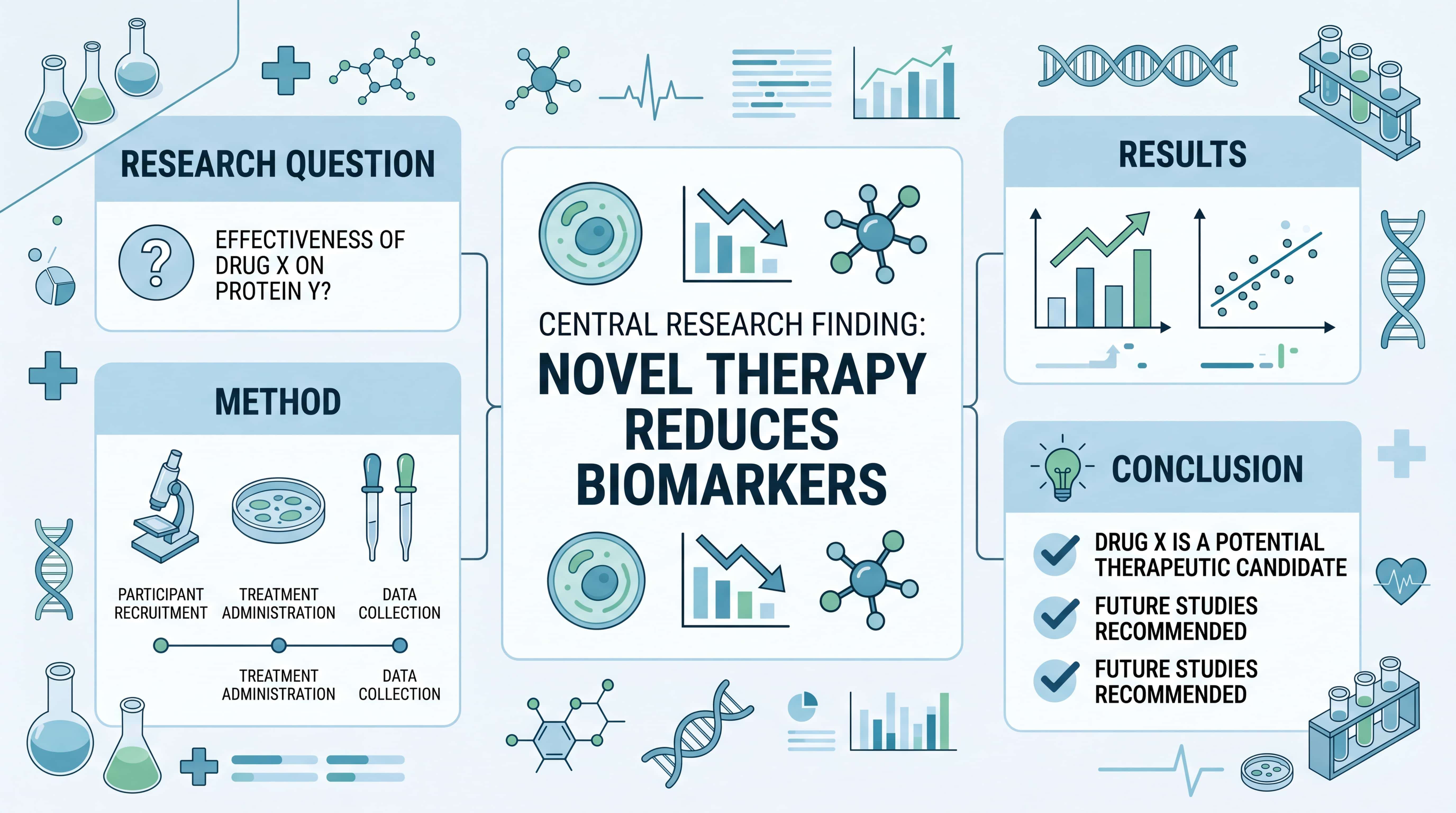
If your writing feels unclear, start by refining the thesis statement. That one step can improve structure, logic, and impact. And if you want a smarter way to build focused academic content, explore how scifocus.ai can support your next essay.
Did you like this article? Explore a few more related posts.
Start Your Research Journey With Scifocus Today
Create your free Scifocus account today and take your research to the next level. Experience the difference firsthand—your journey to academic excellence starts here.