

From 70 to 85: What Changes After Professional Thesis Polishing
Introduction
A paper that is scientifically sound can still lose points because of weak language, unclear logic, or inconsistent formatting. That is why paper polishing matters for medical students, doctors, and researchers who want their work to read as confidently as it was designed. In many cases, the core idea is already strong. What changes is how clearly that idea is presented, how consistently it follows journal standards, and how well it survives reviewer scrutiny.
1. Why a 70-point Paper Often Stays at 70
1.1 The problem is not always the science
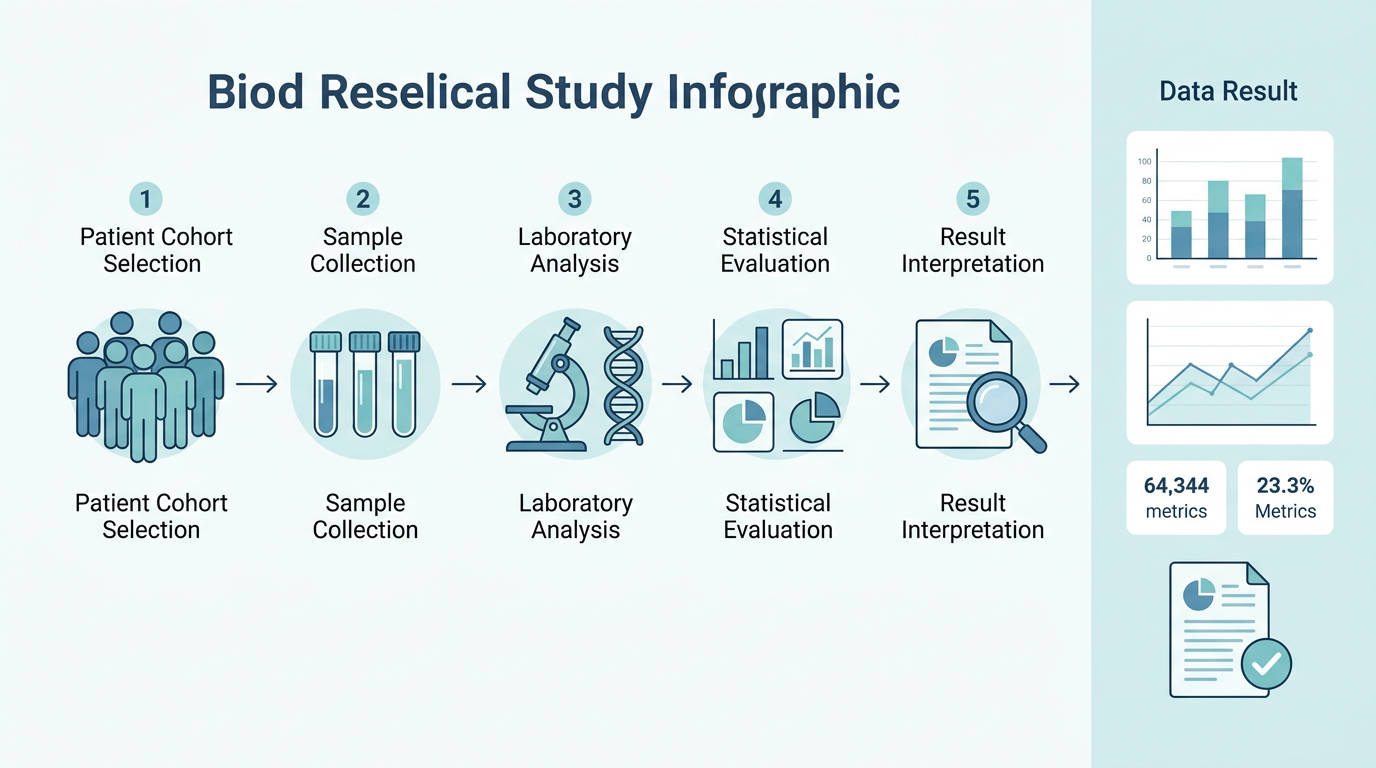
Many manuscripts are rejected or scored lower not because the research is weak, but because the writing makes the work harder to trust. Reviewers first read the title, abstract, and opening paragraphs. If they find grammar errors, awkward transitions, or unclear claims, confidence drops quickly. In academic publishing, first impressions matter.
A 70-point paper often has one or more of these issues:
- unclear sentence structure
- repeated wording
- weak paragraph flow
- inconsistent tense or voice
- formatting that does not match journal instructions
- references that are incomplete or incorrectly styled
These issues do not necessarily destroy the research value. But they create friction. Readers must work harder to understand the message, and that reduces the paper’s impact.
1.2 What reviewers notice first
Reviewers usually pay attention to three things early: clarity, consistency, and credibility. A manuscript with strong data but poor presentation can appear less rigorous than it really is. That is why professional thesis polishing is not decoration. It is a quality-control step.
For medical and scientific writing, this matters even more. Terms must be precise. Claims must be measured. The discussion must stay close to the evidence. When language is not controlled, even good findings can look overstated or uncertain.
2. What Professional Thesis Polishing Actually Changes
2.1 Language becomes easier to read
The first visible change is readability. Sentences become shorter and clearer. Word choice becomes more exact. Ambiguous phrases are removed. This helps readers move through the paper without stopping to decode the meaning.
Professional polishing also reduces direct translation patterns and repetitive expressions. For authors who draft in Chinese and then translate into English, this step is especially important. The goal is not only correct English. The goal is academic English that sounds natural and formal.
A polished manuscript usually shows:
- cleaner grammar
- fewer sentence-level errors
- stronger academic vocabulary
- fewer repeated terms
- more precise claims
This is often the difference between a paper that feels “acceptable” and one that feels publication-ready.
2.2 Logic becomes visible
Many manuscripts contain good content but weak argument flow. One paragraph jumps to the next without a clear bridge. Results appear before the reader is ready for them. The discussion may introduce new ideas too late.
Professional paper polishing improves this by reorganizing transitions and tightening the structure. Topic sentences become clearer. Paragraphs support one central idea. The reader can see how each section connects to the next.
For example, a weak discussion may say:
- “Several factors may explain the result.”
- “There are also many limitations.”
- “More studies are needed.”
A polished version will be more specific. It will state which factors matter, why they matter, and what the limitations mean for interpretation. That shift improves scientific credibility.
2.3 Format becomes journal-ready
Journal compliance is a major part of polishing. Different journals use different Author Guidelines. These rules may cover headings, references, figure captions, word limits, tense style, and disclosure statements. A paper can lose time in review simply because it does not follow basic submission requirements.
A professional polishing process checks:
- title and abstract structure
- heading consistency
- figure and table presentation
- reference style and citation accuracy
- journal-specific formatting rules
This is not a minor detail. Editors notice it immediately. A manuscript that follows instructions signals discipline and respect for the publication process.
3. What Changes in Reviewer Perception
3.1 The paper looks more credible
Reviewers are trained to evaluate evidence, but they still respond to presentation. When writing is clear and controlled, the manuscript appears more reliable. When language is careless, even careful data can seem less trustworthy.
A professionally polished paper often creates three impressions:
- the authors know the field
- the authors respect academic standards
- the study is easier to verify and discuss
This perception matters in competitive fields such as medicine and biomedical research, where many submissions have similar scientific value. Presentation becomes part of differentiation.
3.2 The discussion becomes more persuasive
The discussion section often decides whether a paper feels mature. Good polishing helps the authors avoid overclaiming. It also helps them connect results to prior research without sounding defensive or vague.
A strong discussion should:
- interpret findings clearly
- stay aligned with the data
- acknowledge limitations honestly
- avoid emotional language
- use neutral, professional tone
Professional polishing strengthens the argument without changing the science. That balance is important. It improves persuasion while protecting accuracy.
3.3 Minor language issues stop blocking major ideas
Many authors know the frustration of having their work understood only partially because of small errors. One unclear sentence in the abstract can weaken the entire submission. One wrong verb tense can distract the reader from a key result.
After polishing, the reader spends less energy on language repair and more energy on content evaluation. That is where score gains happen. A paper that originally reads like 70 can often move closer to 85 because the science is now easier to see.
4. The Core Elements of Effective Polishing
4.1 Content polishing
Content polishing checks whether each section truly supports the paper’s main question. It removes repetition, improves emphasis, and makes sure the argument does not drift away from the topic.
This is especially useful when:
- the introduction is too broad
- the results are presented without clear hierarchy
- the discussion repeats the results instead of interpreting them
A good polish makes the paper more focused. Every section earns its place.
4.2 Language polishing
Language polishing focuses on grammar, syntax, punctuation, and word choice. It also removes overly casual expressions and unclear pronouns. In scientific writing, neutrality matters. The tone should be concise and objective.
Useful language checks include:
- subject-verb agreement
- article usage
- tense consistency
- passive and active voice consistency
- technical terminology accuracy
The best polishing does not make the paper “fancier.” It makes it more accurate.
4.3 Reference and citation checking
Reference errors are easy to overlook but costly in review. Mismatched citations, incomplete source details, and inconsistent formatting all weaken trust. A polished manuscript checks whether every citation supports the statement it is attached to.
This step is especially important in medical writing, where readers may want to verify clinical claims quickly. Accurate references also show that the author understands the literature base and the current state of the field.
5. A Simple Workflow for Authors
5.1 Step 1: Review the manuscript against the target journal
Before polishing, compare the paper with the journal’s Author Guidelines. Check length, structure, citation style, and required sections. This prevents rework later.
5.2 Step 2: Fix the structure before sentence-level edits
A paper should be logically complete before language polishing begins. If the argument is weak, perfect grammar will not save it. Start with the outline, then the paragraph flow, then the wording.
5.3 Step 3: Edit for clarity and precision
Replace vague language with specific statements. Shorten long sentences. Remove repeated points. Make sure each paragraph has one main idea.
5.4 Step 4: Verify references, figures, and tables
Check whether figure legends, table titles, units, and source notes are consistent. Small errors here can reduce the professional appearance of the entire paper.
5.5 Step 5: Read aloud or use a final quality check
A final pass often reveals missing words, awkward rhythm, or inconsistent terminology. A polished paper should read smoothly even on the last line.
6. How scifocus.ai Helps Close the Gap
6.1 From manual correction to guided improvement
For busy clinicians and researchers, time is often the main constraint. That is where scifocus.ai can help. It supports a more efficient polishing process by helping authors improve clarity, structure, and consistency before submission.
Instead of relying only on basic grammar checks, authors can use a tool like scifocus.ai to reduce mechanical errors and strengthen the overall presentation. This is useful when the research is strong but the manuscript needs a more professional finish.
6.2 Why this matters for medical authors
Medical papers are judged quickly and seriously. Reviewers expect precise language, logical flow, and evidence-based claims. scifocus.ai can help authors reduce the most common writing problems that interfere with those expectations.
For medical students, doctors, and researchers, the practical benefit is clear:
- faster revision cycles
- fewer language distractions
- more consistent academic tone
- better alignment with submission standards
When the writing is cleaner, the science has a better chance to stand out.
Conclusion
A paper moving from 70 to 85 is usually not a miracle. It is the result of professional thesis polishing that improves readability, logic, formatting, and credibility without changing the research itself. For medical students, doctors, and researchers, this can mean fewer reviewer objections and a stronger chance of acceptance. If you want a more efficient way to refine your manuscript, try scifocus.ai and give your work the professional finish it deserves. **
Did you like this article? Explore a few more related posts.
Start Your Research Journey With Scifocus Today
Create your free Scifocus account today and take your research to the next level. Experience the difference firsthand—your journey to academic excellence starts here.