
Is “Travelling” or “Traveling” Correct? The Answer You Need
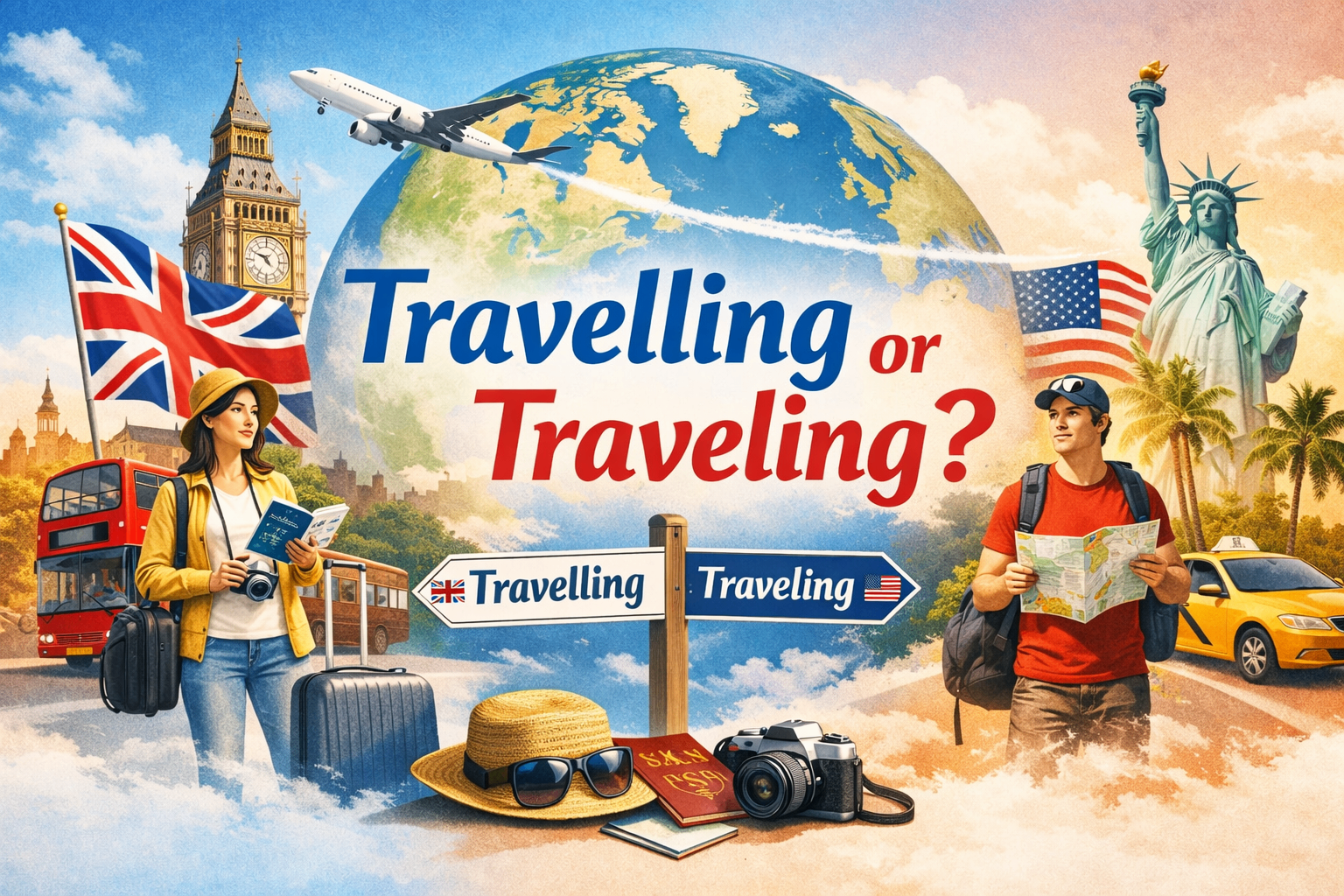
The correct spelling depends on the region. In American English, "traveling" (with one L) is the preferred form, while in British English, "travelling" (with two Ls) is the standard spelling. Both are grammatically correct, but regional preferences dictate which one you should use in different contexts.
At SciFocus, we emphasize precision in academic writing, where even the smallest language nuances—like spelling—matter. Whether you're writing research papers, case reports, or a thesis, understanding these differences can improve clarity and help ensure your work is aligned with the correct academic standards. For more resources on academic writing and research, check out SciFocus.
What Is the Difference Between "Travelling" and "Traveling"?
The difference between "travelling" and "traveling" is primarily based on regional spelling conventions. While both are valid, "traveling" (with one L) is used in American English, and "travelling" (with two Ls) is the British English version.
Key Points:
- American English: "traveling" (one L)
- British English: "travelling" (two Ls)
- No impact on meaning: The two terms refer to the same action – going from one place to another, usually for leisure or work.
Understanding these differences is crucial in academic writing, especially when preparing manuscripts for international audiences or publications. To learn more, check out Merriam-Webster’s guide on spelling distinctions.
Why Do We Have Two Different Spellings for the Same Word?
The distinction between "travelling" and "traveling" arises from historical linguistic evolution. In the 19th century, Noah Webster, a prominent American lexicographer, sought to simplify English spelling in the United States, resulting in the adoption of the simplified form "traveling." Meanwhile, British English retained the older form with double Ls.
Historical Context:
- Noah Webster's reforms: These aimed to simplify American English and eliminate what he considered unnecessary duplications, like doubling consonants in words such as "travelling."
- British English tradition: British English retained many older conventions, including the use of double Ls.
As an academic writer, it’s important to be aware of these distinctions when preparing your literature reviews or research papers, especially if you're submitting to journals in different regions. For a deeper dive into the history of English spelling, see the Oxford English Dictionary.
Can I Use Both Spellings in the Same Document?
Answer: It is not recommended to use both "travelling" and "traveling" within the same document. Consistency is essential in academic and professional writing to avoid confusion and maintain a clear, coherent narrative.
Best Practices for Consistency:
- Choose one form based on your audience’s preferences (e.g., use "traveling" for an American audience).
- Stick with your choice throughout the entire document for uniformity.
- International audiences: If you’re writing for a global audience, select the form most widely understood or align it with the predominant spelling in your target region.
SciFocus can help with ensuring consistency in academic writing, as its editing tools provide grammar and style checks to ensure your document adheres to specific regional standards. To explore these features, visit SciFocus Writing Tools.
How Do Spelling Differences Impact Professional Writing?
Answer: The impact of spelling differences on professional and academic writing is significant. Using the correct spelling according to your audience's expectations can enhance your credibility, ensuring your work is understood correctly.
Key Impacts on Writing:
- Academic Papers: If you’re submitting a paper to a British journal, you must use "travelling" and **"travelled". Conversely, an American journal will require "traveling" and "traveled"**.
- Professional Communication: In emails, reports, or articles, using the correct spelling ensures your work aligns with industry standards.
SciFocus provides a comprehensive editing suite to polish your academic papers, including grammar checkers, paraphrasing tools, and citation-format converters, ensuring that your content meets global academic standards. For more details on how SciFocus supports your writing, visit the SciFocus Editing Tools page.
At SciFocus, we prioritize accuracy and clarity in academic and professional language. Whether you're working on dissertations, essays, or peer-reviewed articles, being mindful of spelling conventions is essential for precise communication. Explore more insights and tools to enhance your writing process at SciFocus.
By leveraging Scifocus’s AI-powered writing and research tools, you can streamline your academic workflow, ensure consistency in your language, and focus on crafting content that meets the highest standards of academic excellence. Whether you're preparing for a literature review or polishing a research paper, Scifocus is your go-to platform for all your academic writing needs.
Frequently Asked Questions (FAQ)
Is "Travelling" or "Traveling" Correct in Academic Writing?
Both "travelling" and "traveling" are correct, but which one you use depends on the region. "Traveling" (one L) is used in American English, while "travelling" (two Ls) is the standard in British English. For academic writing, it's essential to choose one spelling and stick with it consistently throughout your document.
How Can Scifocus Help with Literature Reviews?
SciFocus offers a literature review tool that helps you search, screen, and organize academic papers. It also provides a Literature Analyzer that can analyze PDFs, highlight key themes, and identify gaps in the research. This is ideal for streamlining the literature review process, making it more efficient and comprehensive.
Can Scifocus Improve My Writing Process?
Yes! SciFocus includes AI-powered writing tools like an Essay Writer, Paragraph Generator, and Outline Generator that help transform your research notes into structured and polished academic content. Additionally, its editing tools check grammar, style, and ensure correct citation formatting, helping you refine your paper for submission.
What Types of Users Benefit from Scifocus?
Scifocus is designed for a range of academic users, including:
- PhD students who need help with literature reviews, thesis writing, and methodology summaries.
- Undergraduate and Master's students working on essays, dissertations, or case reports.
- Busy academics managing multiple projects, who benefit from SciFocus's centralized workspace for research notes, summaries, and collaborative features.
How Does Scifocus Assist with Citation Formatting?
SciFocus provides tools that help you generate citations in various formats, including APA, MLA, Chicago, and more. It automatically formats your references and ensures consistency throughout your work, saving time and ensuring your citations meet academic standards.
Recommended Reading
For more on common spelling and word usage differences, check out these helpful articles:
- Dose and Dosage: Definition and Usage – Clarifies the difference between dose and dosage in academic contexts.
- Modelling or Modeling: Which to Use? – Helps you understand the correct spelling for this term based on regional preferences.
- LED or Lead: Understanding Usage – Explains the difference between LED and lead, common in technical writing.
- Palette vs Pallet vs Palate – Breaks down the differences between these similar-sounding terms.
- Cancelled vs Canceled – Discusses the spelling variations of "canceled" and "cancelled."
These articles are great resources to refine your writing and avoid common mistakes.
Did you like this article? Explore a few more related posts.
Start Your Research Journey With Scifocus Today
Create your free Scifocus account today and take your research to the next level. Experience the difference firsthand—your journey to academic excellence starts here.