

Stationary vs. Stationery
Introduction

If you write an essay regularly, you may still pause over stationary vs. stationery. The words look almost identical, but they mean different things. That small difference can affect academic writing, email precision, and professional communication. For medical students, doctors, and researchers, accuracy matters. In this guide, you will learn the correct meaning, usage, and a simple memory method that prevents this common error.
1. The Core Difference
1.1 Stationary Means Not Moving
Stationary is an adjective. It means fixed, still, or not moving.
In clinical or research settings, you may see this word in phrases like:
- stationary patient
- stationary object
- stationary phase in an experiment
For example, a patient who remains in bed after surgery may be described as stationary. In data analysis, a stationary signal may mean a pattern that does not change over time.
1.2 Stationery Means Writing Materials
Stationery is a noun. It refers to paper, envelopes, pens, folders, and other writing supplies.
This is the word you want when discussing:
- office stationery
- hospital stationery
- letterhead stationery
If you are preparing an essay, the paper itself may be printed on stationery, but the word stationary would be incorrect in that context.
1.3 Why the Confusion Happens
The spelling difference is only one letter, so the mistake is common. Yet the meanings are unrelated.
A simple rule helps:
- stationary = still
- stationery = supplies for writing
This distinction is especially useful in academic and clinical writing, where precision reflects credibility.
2. How to Use Each Word Correctly in an Essay
2.1 Correct Usage in Academic Writing
In an essay, use stationary only when describing something that does not move.
Examples:
- The subject remained stationary during the imaging procedure.
- The instrument was kept stationary for calibration.
Use stationery when referring to paper products or writing tools.
Examples:
- The department ordered new stationery for conference letters.
- The report was printed on official stationery.
2.2 Common Mistakes to Avoid
A frequent error is using stationary when the writer means paper or office materials.
Incorrect:
- Please send the essay on stationary.
Correct:
- Please send the essay on stationery.
This mistake may seem minor, but in professional writing, small language errors can reduce trust. A precise term supports a precise argument.
2.3 A Quick Clinical and Research Example
Imagine a researcher writing a methods section. If the document says a sample was placed on “stationary,” the sentence is wrong unless the sample was kept still. If the author means printed forms or lab paper, stationery is the correct word.
In medicine, this kind of detail matters. Readers notice accuracy. Editors do too.
3. Memory Tricks for Fast Recall
3.1 Use the Letter Pattern
A practical memory trick is to focus on the letters.
- stationary contains a, like at rest
- stationery contains e, like envelope and paper
This works because stationery is linked to writing materials, not movement.
3.2 Build a Visual Association
You can also connect the word with a mental image.
- Think of stationary as a patient on a bed, not moving.
- Think of stationery as a desk full of paper, pens, and files.
Short visual cues improve recall, especially under time pressure during exams, manuscript drafting, or email writing.
3.3 Use a Two-Step Check
Before sending an essay or report, ask:
- Am I talking about movement?
- Am I talking about writing materials?
If the answer is movement, use stationary. If the answer is paper or office supplies, use stationery.
This two-step check takes less than 5 seconds and prevents avoidable errors.
4. Why This Matters for Medical Students, Doctors, and Researchers
4.1 Accuracy Reflects Professionalism
Medical and scientific writing relies on exact language. Even a small spelling error can distract readers or weaken the perceived quality of an essay, case report, or manuscript.
Clear language helps with:
- journal submissions
- conference abstracts
- patient education materials
- internal reports
4.2 Precision Improves Readability
Readers should not stop to decode basic terms. When a paper is written cleanly, the logic is easier to follow.
That matters because:
- reviewers evaluate clarity
- colleagues scan quickly
- students learn from model writing
Using the right word is not only correct. It is efficient.
4.3 Language Tools Can Reduce Errors
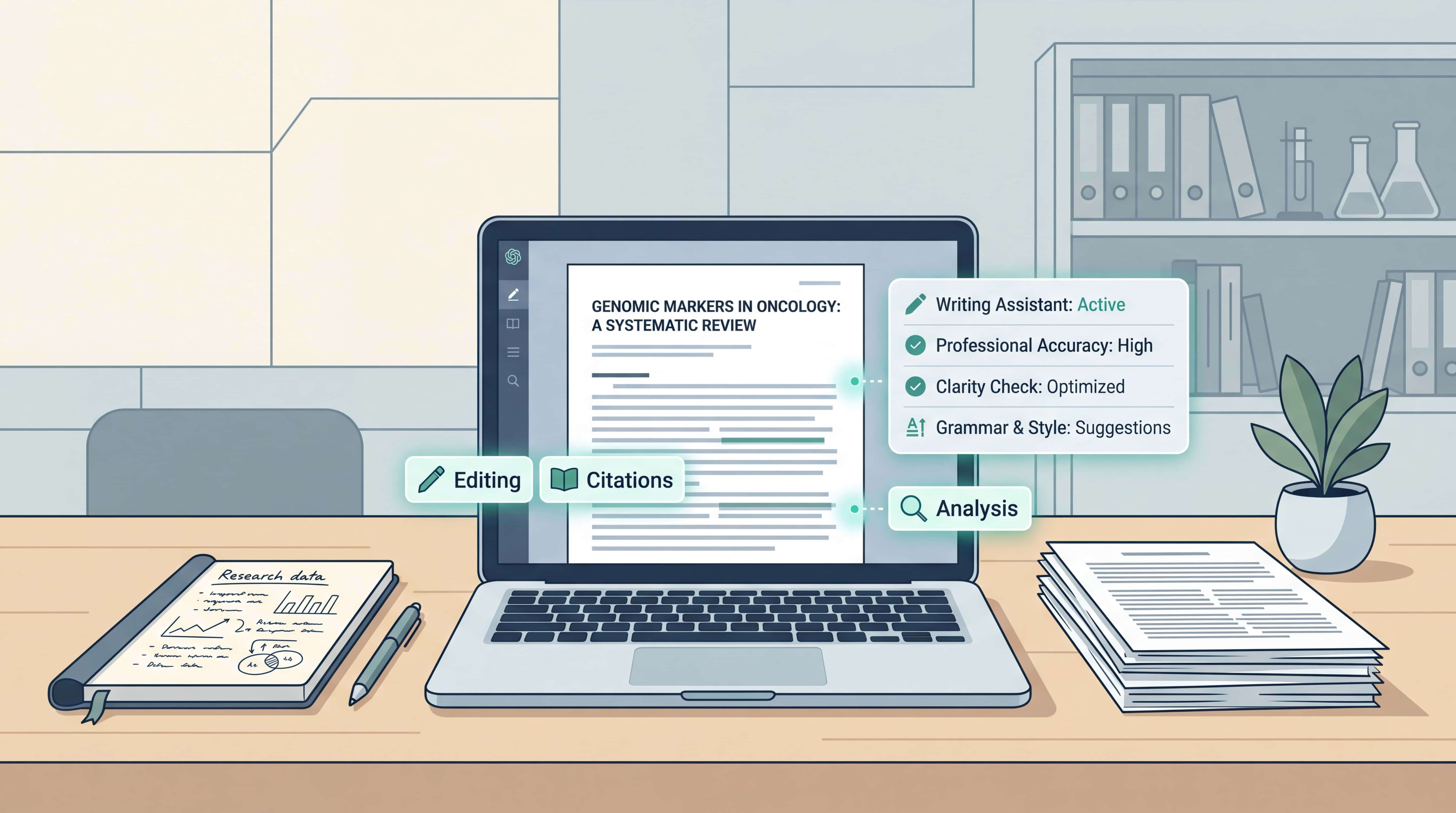
Many professionals now use AI writing support to catch spelling and usage mistakes before submission. This is useful for drafting, editing, and polishing an essay.
A focused tool like scifocus.ai can help streamline academic writing by improving clarity, structure, and consistency. For busy medical learners and researchers, that means less time fixing simple errors and more time improving the content itself.
5. Practical Examples You Can Copy
5.1 Correct Sentences
Here are simple examples you can use as a reference:
- The trolley remained stationary throughout the procedure.
- The clinic ordered new stationery for administrative use.
- The object must stay stationary during measurement.
- The department changed its stationery design this year.
5.2 Incorrect vs. Correct
-
Incorrect: The patient was placed on stationery.
-
Correct: The patient was placed on a stationary bed.
-
Incorrect: We printed the essay on stationary.
-
Correct: We printed the essay on stationery.
-
Incorrect: The microscope must remain stationery.
-
Correct: The microscope must remain stationary.
5.3 Best Practice for Writers
When editing an essay, check every word that looks familiar but has a different meaning. These errors often slip through spellcheck because both spellings are valid English words.
A disciplined review process should include:
- spelling check
- word choice check
- context check
- final read-aloud
Context, not spelling alone, decides the correct word.
Conclusion
The difference between stationary vs. stationery is simple once you remember the rule. Stationary means not moving. Stationery means writing materials. For medical students, doctors, and researchers, using the right word improves precision, credibility, and readability in every essay, report, and manuscript.
If you want cleaner academic writing with fewer avoidable mistakes, consider using scifocus.ai as part of your workflow. It can help you draft faster, edit smarter, and present your work with greater confidence.
Did you like this article? Explore a few more related posts.
Start Your Research Journey With Scifocus Today
Create your free Scifocus account today and take your research to the next level. Experience the difference firsthand—your journey to academic excellence starts here.