

Predatory Journals: How to Spot Them and Avoid Them
Introduction
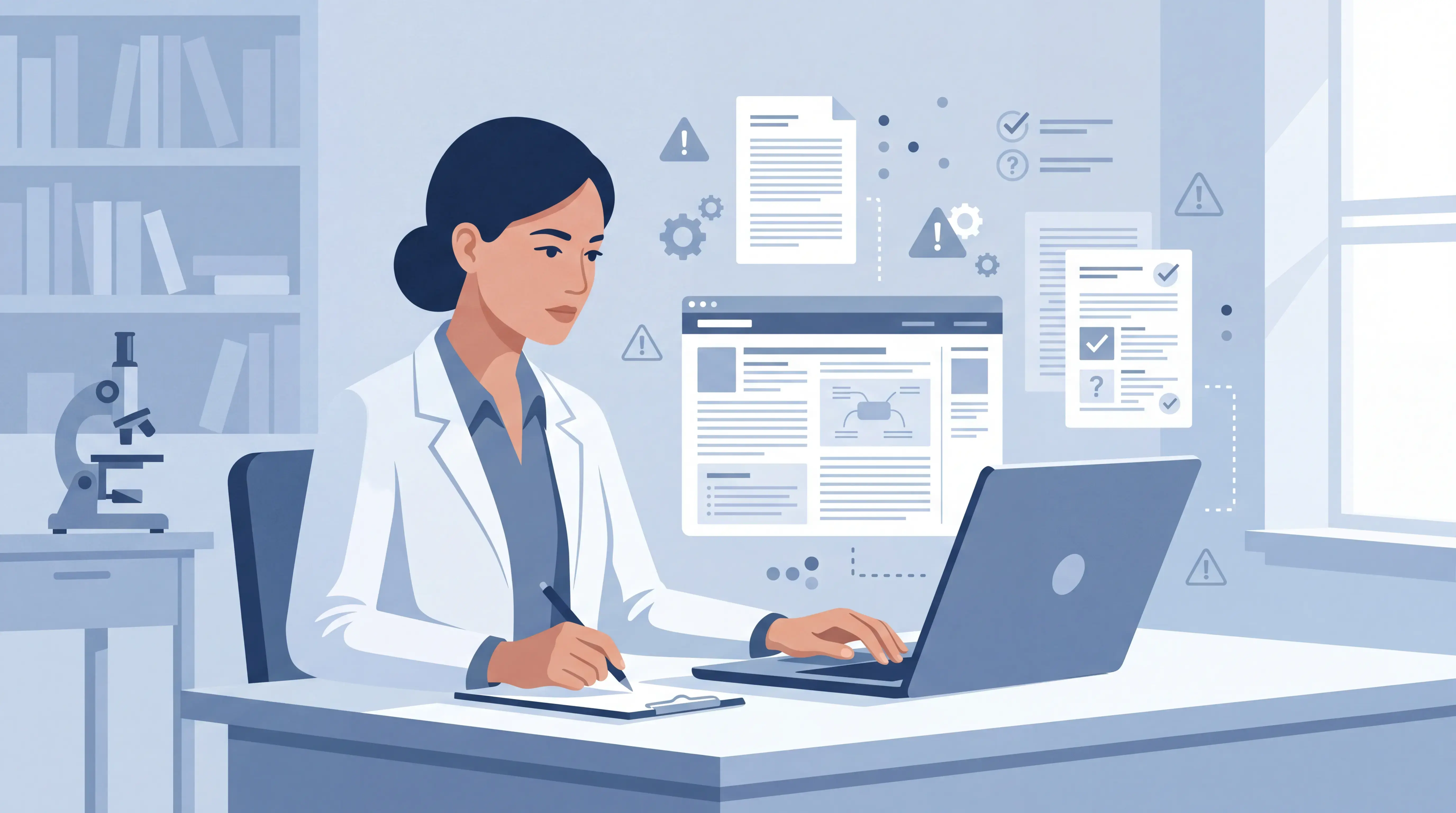
Predatory journals are a real risk for medical students, doctors, and researchers. They promise fast publication, but often charge fees without delivering real editorial standards. In an academic environment where an essay can represent months of work, choosing the wrong journal can damage your time, budget, and reputation. The key issue is not just where to publish, but how to avoid outlets that exploit authors.
1. What Predatory Journals Are
1.1 The Core Definition
The term predatory journal was introduced by Jeffrey Beall, a librarian at the University of Colorado. He used it to describe journals that behave like predators. They attract researchers, then profit from them through fees and weak publishing practices.
The central pattern is simple. These journals are driven by money first, not scientific quality first. They may send mass email invitations, promise rapid acceptance, and pressure authors to submit quickly.
1.2 Why They Matter in Medicine
For medical students and clinicians, the stakes are high. A weak publication can affect graduation, promotion, grant applications, and institutional trust. In some universities and hospitals, publications in flagged journals may not count toward career evaluation.
That is why every research essay, clinical paper, or technical manuscript needs careful journal screening before submission.
2. Common Signs of a Predatory Journal
2.1 Mass Email Invitations
One of the most common warning signs is unsolicited email. Many researchers receive repeated invitations from journals asking them to submit a manuscript. Some emails look professional. Others use generic greetings and broad subject lines.
A legitimate journal may invite submissions, but frequent mass mailings aimed at thousands of researchers are a red flag. This is especially true when the journal is trying to recruit articles aggressively and emphasizes quick payment.
2.2 Weak or Fake Peer Review
A genuine journal uses editorial review and peer review. Predatory journals often claim to do the same, but the process may be superficial or absent.
Watch for these signs:
- Acceptance promised in an unrealistically short time.
- Very vague peer review descriptions.
- Editorial decisions that seem automatic.
- No clear information about reviewer standards.
If a journal appears to accept nearly everything, the problem is not speed. The problem is the lack of real quality control.
2.3 Dubious Editorial Boards
Another warning sign is a questionable editorial board. Some predatory journals list names, institutions, or titles that are hard to verify. In serious journals, board members are identifiable, active scholars.
Check whether:
- The editors have institutional affiliations you can confirm.
- The listed names match public academic profiles.
- The journal provides contact details that look real.
If the board looks inflated, copied, or fabricated, treat the journal cautiously.
3. How Predatory Journals Operate
3.1 Profit Comes Before Science
Predatory journals are built around publication fees. Once a manuscript is submitted, the real goal is often to collect article processing charges. The journal’s success depends on volume, not credibility.
That is why these journals may accept low-quality papers, skip meaningful revision, and publish large numbers of articles quickly. Their model rewards speed and quantity, not scientific rigor.
3.2 Low-Quality Content and Poor Standards
These journals often publish papers with weak methods, poor formatting, or little novelty. Some articles may appear rushed or poorly edited. The overall quality of the journal becomes inconsistent.
For researchers, this creates two problems. First, your work may be placed next to low-standard content. Second, readers may question your judgment for choosing the journal.
3.3 Name Similarity and Website Imitation
A particularly dangerous tactic is imitation. Some predatory or fraudulent sites use journal names, layouts, or web designs that closely resemble reputable journals. This makes it easy to confuse the fake with the real one.
Always verify the official journal website through trusted databases or the publisher’s verified page. Do not rely on the first search result alone.
4. How to Evaluate a Journal Before Submission
4.1 Check Indexing and Publisher Information
Start with the basics. Look for the publisher’s full name, address, and contact information. Confirm whether the journal is indexed where it claims to be indexed. Do not assume a name or logo means legitimacy.
Useful checks include:
- Publisher identity.
- Official journal website.
- Indexing status.
- Clear publication fees.
- Transparent editorial policies.
If these items are missing or inconsistent, proceed carefully.
4.2 Read Recent Articles
A fast way to assess quality is to read recent publications. Ask yourself:
- Are the papers relevant to the journal’s scope?
- Are the methods and reporting standards acceptable?
- Does the journal publish a coherent body of work?
- Is the content consistent with the journal’s stated aims?
For medical and scientific authors, this step is essential. A journal can look polished on the surface while publishing weak studies underneath.
4.3 Compare with Institutional Requirements
This step is often overlooked. Many schools and hospitals have their own rules. Some restrict journals on warning lists. Others do not accept certain publishers for graduation, promotion, or funding records.
Before submission, confirm whether your institution follows:
- Chinese Academy of Sciences ranking rules.
- JCR category rules.
- Internal blacklists.
- Specialty-specific publication requirements.
A journal that fits one system may not satisfy another. This is a common and costly mistake.
5. Predatory Journals vs. Journal Hijacking
5.1 They Are Not the Same
Predatory journals are problematic journals that still operate as real publishers, even if their motives are questionable. Journal hijacking is different. It is a form of fraud in which criminals create fake journal websites to impersonate legitimate publications.
This distinction matters. Predatory journals may misuse the publication model. Hijacked journals are outright scams.
5.2 Why Hijacked Journals Are Dangerous
Hijacked journals can trick authors into paying fees and submitting manuscripts to fake platforms. In severe cases, they may publish the paper without permission or expose the work publicly in an unsafe way.
For researchers, that can mean:
- Loss of money.
- Loss of manuscript control.
- Possible damage to novelty.
- Long-term academic risk.
If a website asks for payment through suspicious channels or behaves differently from the official publisher, stop immediately and verify.
6. Practical Steps to Avoid Predatory Journals
6.1 Use a Submission Checklist
Before sending any manuscript, review a simple checklist:
- Does the journal have transparent editorial policies?
- Is the peer review process clearly explained?
- Is the publisher easy to verify?
- Are the fees stated upfront?
- Is the editorial board real and searchable?
- Does the journal’s recent content match your field?
If several answers are unclear, do not submit yet.
6.2 Verify Every Email Invitation
If you receive a direct invitation, treat it as marketing, not proof of quality. Check the sender, the journal website, and the publisher. Never pay or upload a final manuscript based only on an email request.
This is especially important for busy clinicians and trainees who may be under pressure to publish quickly. Urgency is exactly what predatory journals exploit.
6.3 Ask for Editorial Support When Needed
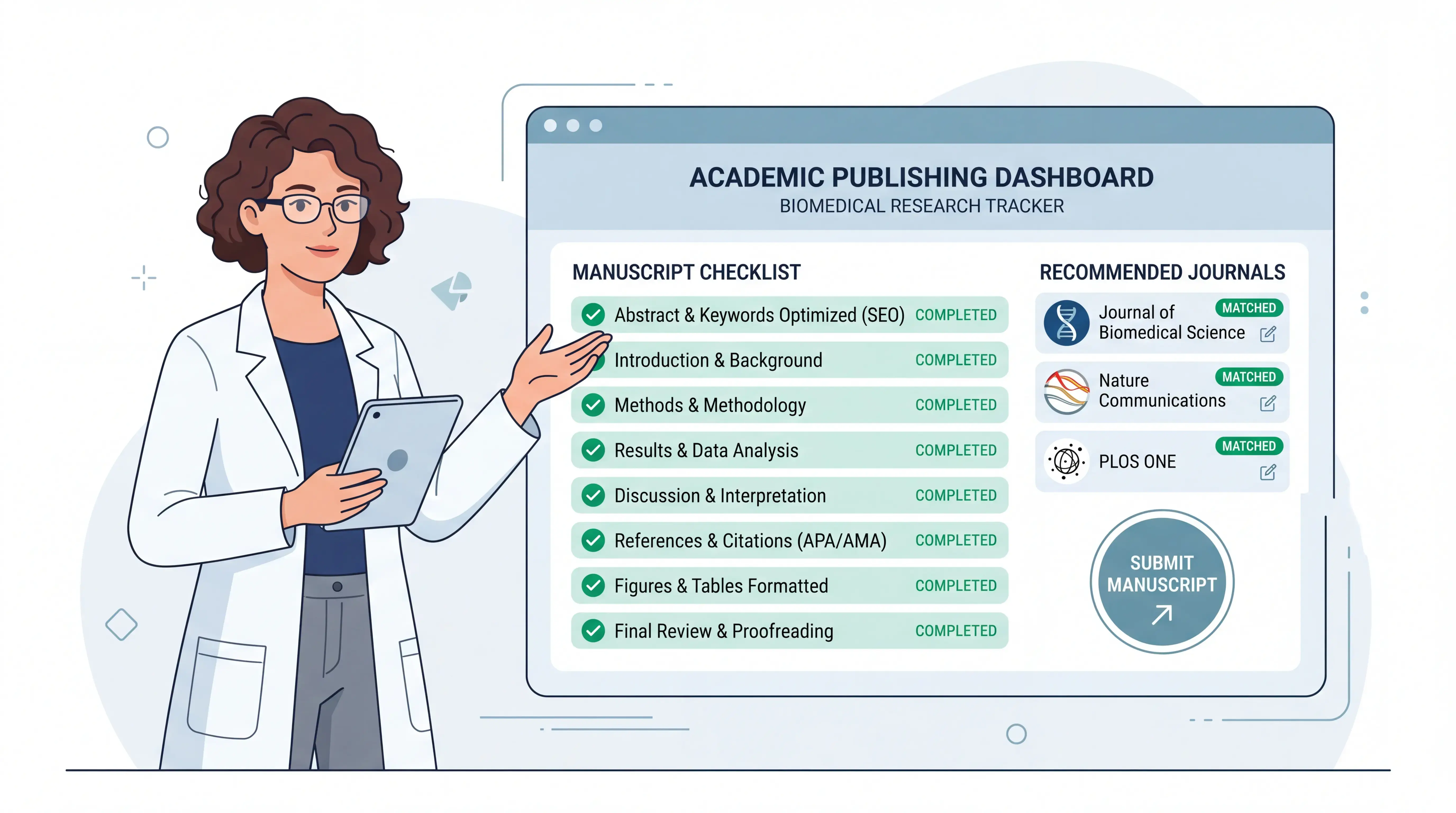
Many authors lose time because they search alone and submit repeatedly to unsuitable journals. A journal-matching tool can reduce that risk. This is where scifocus.ai can help. It can support authors who need a faster, more structured way to identify suitable journals and avoid obvious traps.
For researchers working on a medical essay or full manuscript, that kind of guidance can save weeks of rework. It also helps you compare journal fit more systematically before you submit.
Conclusion
Predatory journals are dangerous because they look like ordinary journals while operating on weak standards and profit-first behavior. The safest way to avoid them is to verify the publisher, review recent articles, check the editorial process, and confirm your institution’s rules before submission. Do not let speed replace scrutiny.
If you want a more efficient way to evaluate journal options, consider using scifocus.ai to support your selection process. It can help you reduce risk, save time, and improve the odds that your work reaches a credible journal.
Did you like this article? Explore a few more related posts.
Start Your Research Journey With Scifocus Today
Create your free Scifocus account today and take your research to the next level. Experience the difference firsthand—your journey to academic excellence starts here.