
Open Access vs Subscription Journals: Which Is Better for Authors
Introduction
Choosing where to publish an essay or research manuscript is not just a budget decision. It affects visibility, speed, and long-term impact. For medical students, doctors, and researchers, the biggest challenge is simple: Should you pay for open access, or choose a subscription journal and save costs? This article compares both models with practical, evidence-based guidance.
1. Understanding Open Access and Subscription Journals
1.1 What open access means
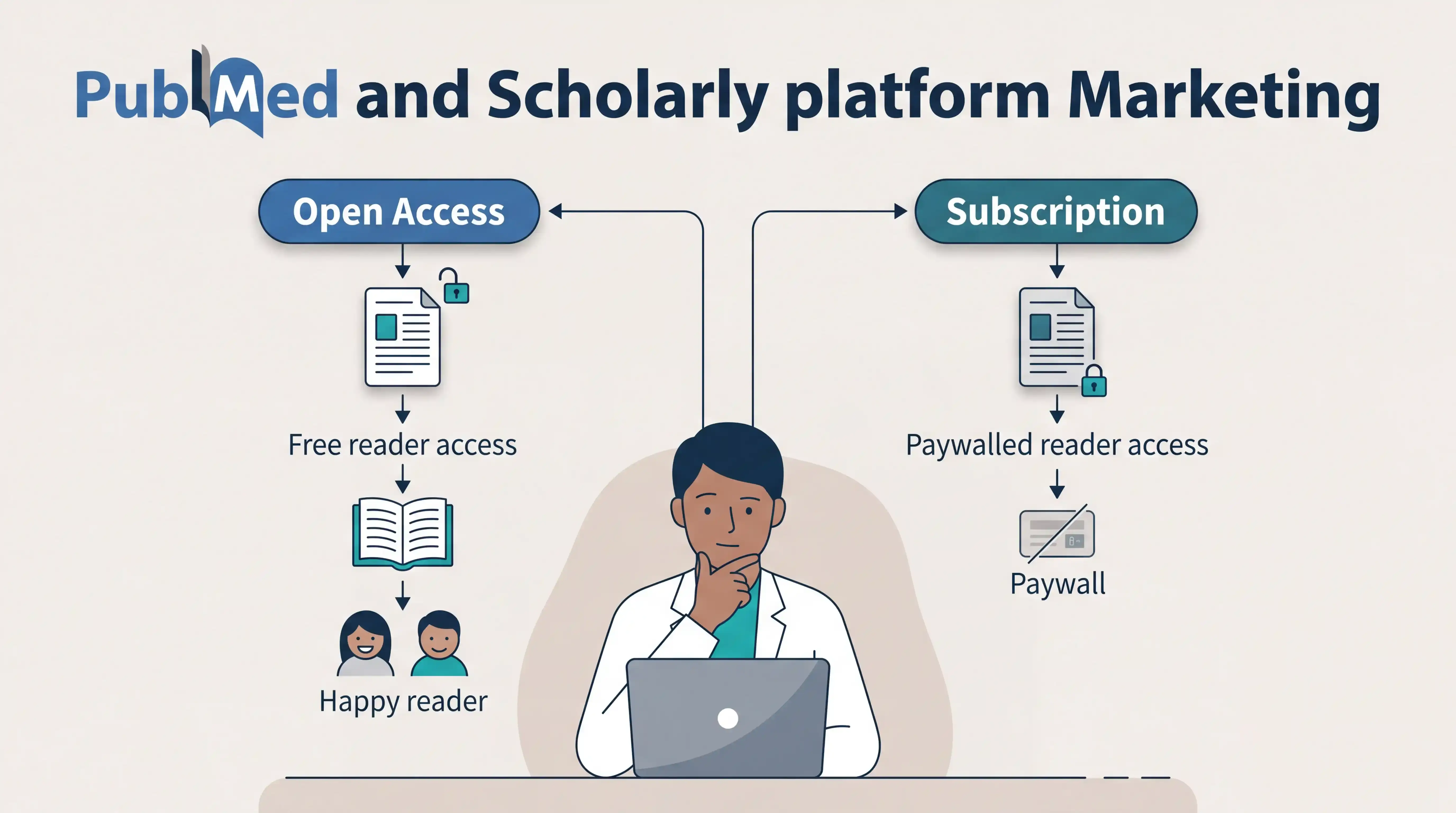
Open access, often called OA, means readers can access and download the article for free. In most cases, the author pays an article processing charge or publication fee. This model is common in many journals that want wider reach and faster online availability.
The main advantage of open access is reader accessibility. Anyone can read the paper without a paywall. That can matter for clinical topics, public health, and interdisciplinary work.
1.2 What subscription journals mean
Subscription journals work in the opposite way. Authors usually do not pay an open access fee, but readers or institutions must pay to access the article. These journals are often called traditional journals.
For many authors, this model is attractive because it can reduce direct publishing costs. In the knowledge base, this is described as the more common model, representing most traditional journals.
1.3 The core trade-off
The choice is usually between cost to the author and ease of access for the reader. That is the central issue behind the open access vs subscription journals debate.
If your budget is limited, subscription journals may be easier to afford. If your priority is broad accessibility, open access may fit better.
2. Cost, Speed, and Publication Practicality
2.1 Publication fees and financial planning
Open access journals usually charge authors. The knowledge base notes that these fees can be around RMB 10,000 or about USD 2,000 in many cases, although actual prices vary by journal.
Subscription journals usually do not charge that specific open access fee. However, authors may still face other costs, such as page charges or color figure fees. So “free to publish” is not always completely true.
Before submitting, check the full fee structure. This includes article processing charges, page fees, and optional costs.
2.2 Review and online publication time
Open access journals are often described as having shorter review cycles and faster online publication. That can be useful if you need timely publication for graduation, promotion, funding, or a research deadline.
Subscription journals may take longer from submission to publication. For authors in fast-moving fields, that delay can matter.
Still, speed is journal-dependent. The model alone does not guarantee fast review. Always inspect the journal’s stated timelines and recent publication records.
2.3 Workflow considerations for medical authors
For medical students and clinicians, publication decisions are often linked to career milestones. A delayed article can affect a thesis timeline, residency application, or grant report.
That is why the best choice is not only about prestige. It is also about timing, budget, and compliance with institutional requirements.
3. Visibility, Citations, and Academic Impact
3.1 Does open access increase readership?
In general, open access articles are easier to read, share, and download. Because there is no paywall, they may attract more readers. The knowledge base also notes that this can lead to higher citation frequency.
More visibility can increase the chance of being read. That is particularly helpful for clinical papers, systematic reviews, and papers meant for broad audiences.
3.2 Why citations do not depend only on access model
The knowledge base also makes an important point: access model alone does not fully determine citations. Readers who need a paper often find a way to access it through library subscriptions, institutional access, or other channels.
So while open access may help distribution, it does not automatically guarantee more citations. Topic relevance, study quality, journal reputation, and indexing still matter more.
3.3 What authors should focus on instead
For real-world academic impact, authors should prioritize:
- Journal scope fit
- Editorial quality
- Indexing and discoverability
- Peer review standards
- Ethical publishing practices
A good article in the right journal will outperform a poor article in the “best” access model.
4. When Open Access Makes More Sense
4.1 Situations where open access is useful
Open access may be the better option if:
- Your funder requires open access
- Your institution can cover the fee
- You want rapid, broad dissemination
- Your topic targets clinicians, policymakers, or the public
- You expect readers from many regions without library access
For healthcare-related work, wider access can be valuable when the paper has practical implications.
4.2 Limits of open access
Open access is not always the best choice. If your budget is tight, the fee can be a real burden. The knowledge base clearly notes that if you can choose, avoiding OA may save money without harming the validity of the publication.
Choosing non-OA does not make your paper less official. It remains a formal publication.
4.3 A practical caution
Do not agree to open access unless you can pay the fee. If a paper is accepted and the author later withdraws the OA commitment, that can damage credibility and strain the relationship with the journal.
Publishing decisions should be made before submission, not after acceptance.
5. When Subscription Journals Make More Sense
5.1 Situations where subscription journals are practical
Subscription journals may be the better choice if:
- You want to reduce author-side publishing costs
- Your project budget is limited
- You do not need immediate open availability
- Your institution already provides access to the target audience
- You prefer a traditional publishing route
For many researchers, this is the most cost-efficient option.
5.2 Why subscription journals still matter
Subscription journals are not outdated. They remain a major part of scholarly publishing. Many established journals use this model, and many are respected in medicine and research.
Do not assume open access is always superior. The better journal is the one that matches your goals, resources, and deadlines.
5.3 A decision framework for authors
Use this quick checklist:
- Can you afford the OA fee?
- Does your funder require OA?
- How fast do you need publication?
- Who needs to read the paper?
- Is the journal reputable and relevant?
If most answers favor cost control and standard publication, subscription may be the better fit.
6. How to Choose the Right Journal for Your Essay or Paper
6.1 Match the journal to the manuscript
When submitting an essay, clinical review, or original study, match the journal’s scope first. Then compare access model, fees, and timeline.
A well-matched journal improves the chance of acceptance and reduces wasted submissions.
6.2 Verify journal policies before submission
Check:
- Article processing charges
- Page limits
- Color figure fees
- Review timeline
- Copyright terms
- Indexing status
These details matter more than marketing claims.
6.3 Use tools to streamline the process
Many authors lose time comparing journals manually. That is where tools like scifocus.ai can help. It can support journal matching, manuscript refinement, and submission planning, which is especially useful for busy medical students and clinicians.
A structured workflow reduces guesswork and helps authors choose with confidence.
Conclusion
Open access and subscription journals each have clear strengths. Open access can improve reach and speed, but it often requires author payment. Subscription journals can reduce publishing costs, but they may limit free reader access. For authors, the best choice depends on budget, timing, audience, and institutional rules. If you want to make the process easier, use scifocus.ai to compare journal options, organize your submission plan, and choose the right path with less trial and error.
Did you like this article? Explore a few more related posts.
Start Your Research Journey With Scifocus Today
Create your free Scifocus account today and take your research to the next level. Experience the difference firsthand—your journey to academic excellence starts here.