
License vs Licence: What’s the Difference?
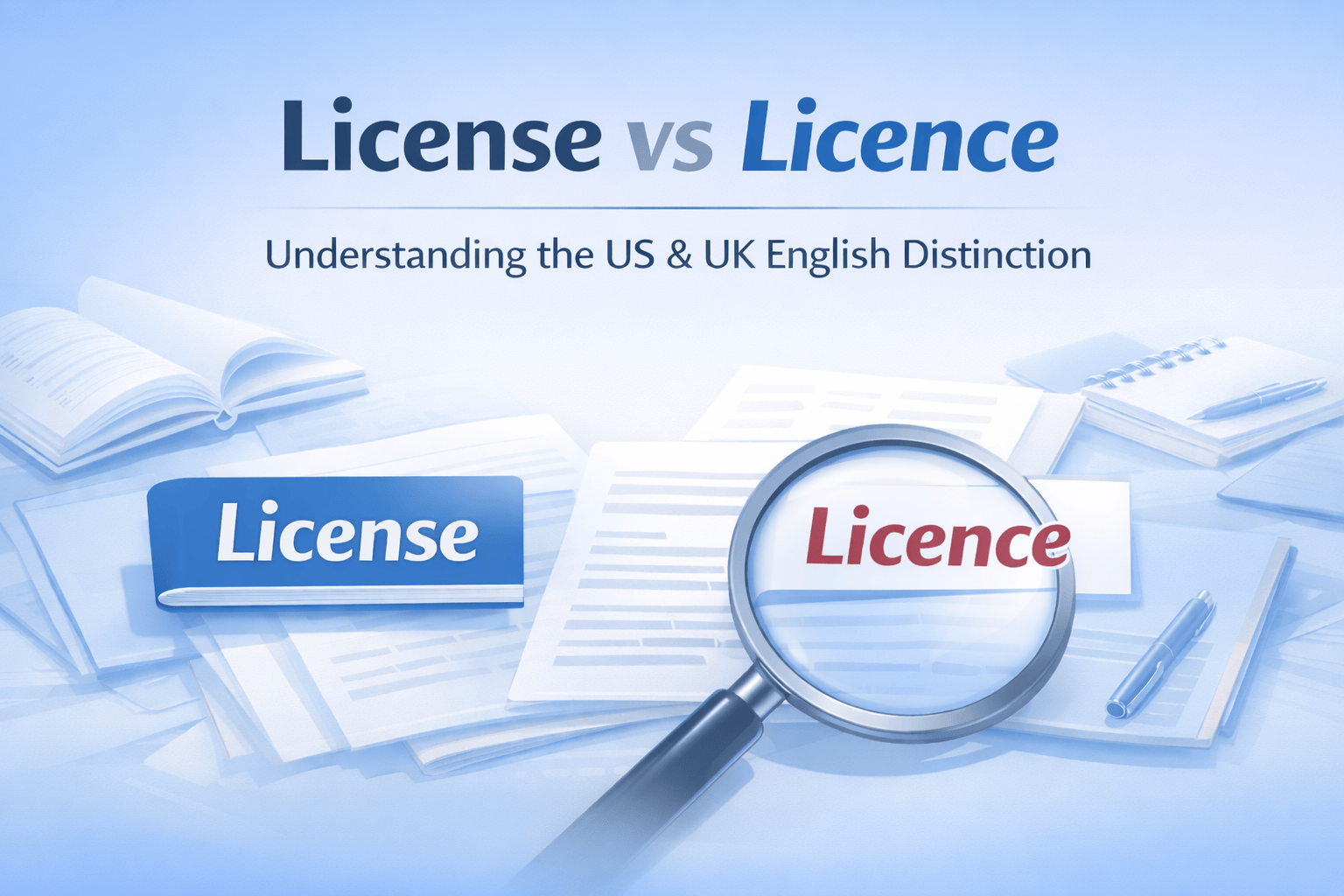
License and licence differ primarily by spelling conventions tied to regional English usage and grammatical function. In US English, license is used both as a noun and verb; in British and Commonwealth English, licence is the noun, while license is the verb. This distinction is essential for precise academic writing, legal documentation, and formal communication.
For students and researchers aiming for rigor and efficiency in writing and research workflows, Scifocus offers an AI research assistant that streamlines literature reviews, supports structured academic writing, automates citations, and enables efficient synthesis of evidence—enhancing both writing quality and research productivity. You can explore more insights on the Scifocus blog or begin with a free trial.
What is the main difference between license and licence?
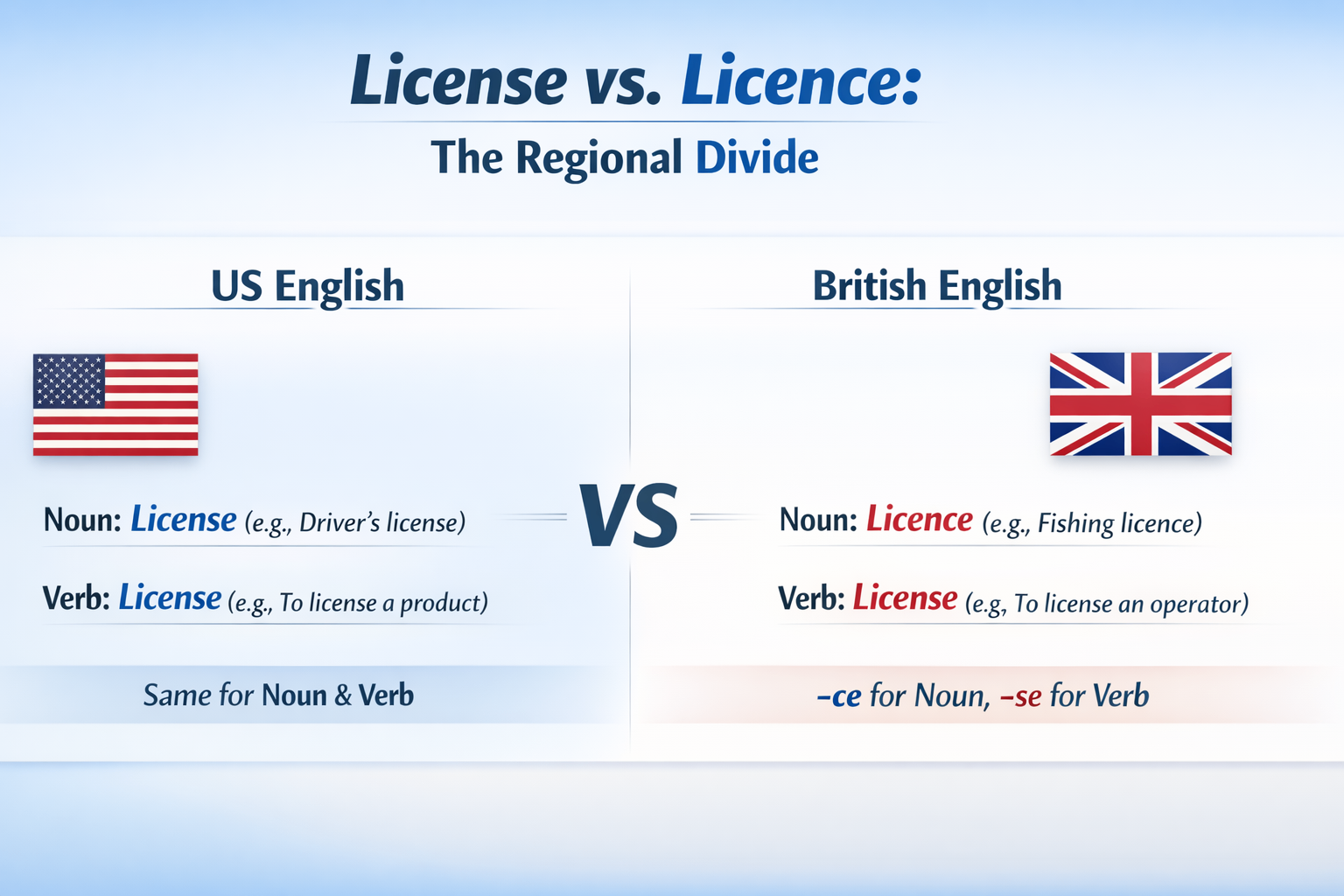
The fundamental distinction between license and licence is both regional and grammatical. In standard US English, license serves as both the noun referring to a permission or legal document (e.g., a driver’s license) and the verb meaning to grant permission. Conversely, in British and Commonwealth English, the noun is spelled licence, and the verb remains license.
Authoritative sources confirm this: the Cambridge English Dictionary lists license as standard in US English, while the Cambridge English Dictionary entry for licence specifies the British English noun. Following these conventions ensures your writing aligns with recognized standards.
How is license vs licence used in everyday contexts?
In everyday formal contexts, the correct spelling depends on audience and geography:
- United States:
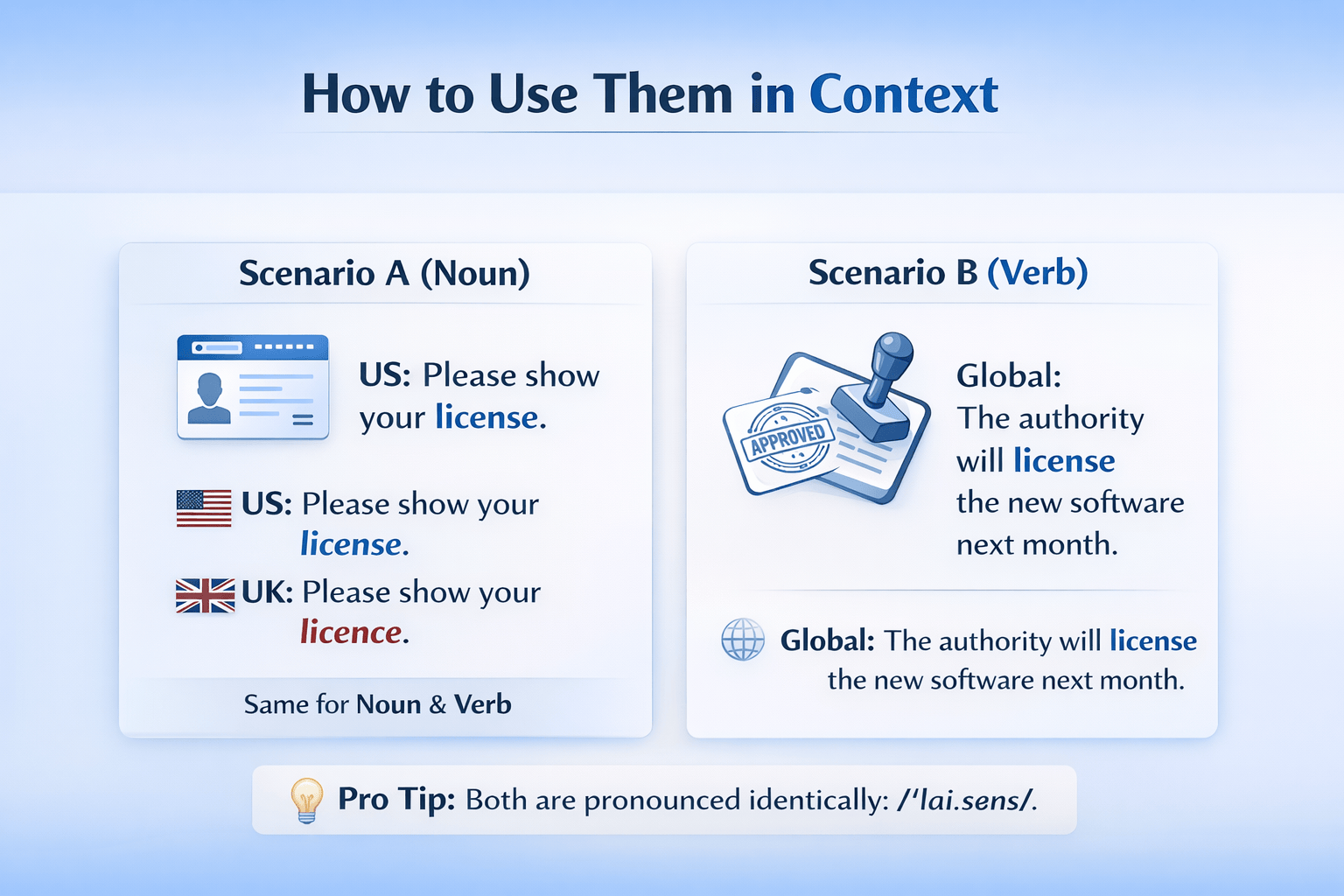
license is used as both a noun and a verb. For example: “Applicants must renew their driver’s license annually.” - United Kingdom & Commonwealth:
licence is used as the noun, and license as the verb. For example: “You must hold a valid fishing licence before angling.” “The authority will license the new operator next month.” (Cambridge English Dictionary)
Using consistent spelling demonstrates precision, especially in academic or professional writing. Tools like Scifocus can help organize examples and verify usage across large documents.
Does pronunciation differ between license and licence?
No. Both forms are pronounced identically (/ˈlaɪ.səns/) in British and American English. Pronunciation guides from the Cambridge Essential English Dictionary confirm that the divergence is orthographic rather than phonetic.
What do authoritative dictionaries say about these terms?
Major dictionaries confirm these rules:
- Cambridge English Dictionary – license – US spelling for both noun and verb
- Cambridge English Dictionary – licence – UK English noun
- Merriam‑Webster Dictionary – license is standard in American English; licence is rare in the US
- Oxford English Dictionary – confirms British noun-verb distinction
How can AI tools support accurate academic writing?
AI research assistants help with structured writing workflows, including literature searches, concept mapping, draft generation, and citation consistency. Scifocus integrates these features, helping researchers produce high-quality writing efficiently. You can explore these capabilities on the Scifocus blog or start using them via the free trial.
FAQ
Can license be used as a noun in UK English?
No. In formal British English, the noun is always licence, while license is used as the verb. This distinction is confirmed by the Cambridge English Dictionary.
**2. Is licence ever correct in American English?
Generally, no. In American English, license is used for both noun and verb forms. The Merriam‑Webster Dictionary provides authoritative guidance for American usage.
How should academic publications handle these spellings?
Follow the style guide of your intended publication. US journals require license for both noun and verb, while UK and Commonwealth publications use licence as the noun and license as the verb. Refer to Cambridge English Dictionary – license and Cambridge English Dictionary – licence for examples.
Does this spelling difference affect pronunciation?
No, both license and licence are pronounced identically: /ˈlaɪ.səns/. This is confirmed by the Cambridge Essential English Dictionary.
Where can I verify correct usage and examples?
You can consult authoritative dictionaries and academic resources:
For academic writing and research organization, tools like Scifocus provide structured literature review support, accurate citation management, and writing workflow optimization. Explore practical features via the Scifocus blog or the free trial.
Did you like this article? Explore a few more related posts.
Start Your Research Journey With Scifocus Today
Create your free Scifocus account today and take your research to the next level. Experience the difference firsthand—your journey to academic excellence starts here.