

How to Design a Randomized Controlled Trial from Scratch
Introduction
Designing an essay on randomized controlled trial methods is not enough when you need a real study plan. Many medical students, doctors, and researchers know the theory, but struggle to turn a clinical question into a valid RCT. The biggest risks are weak hypotheses, poor randomization, and incomplete data handling. A strong randomized controlled trial starts with a clear question, a feasible design, and a protocol you can defend.
1. Start with a Clinically Relevant Question
1.1 Define the problem before the protocol
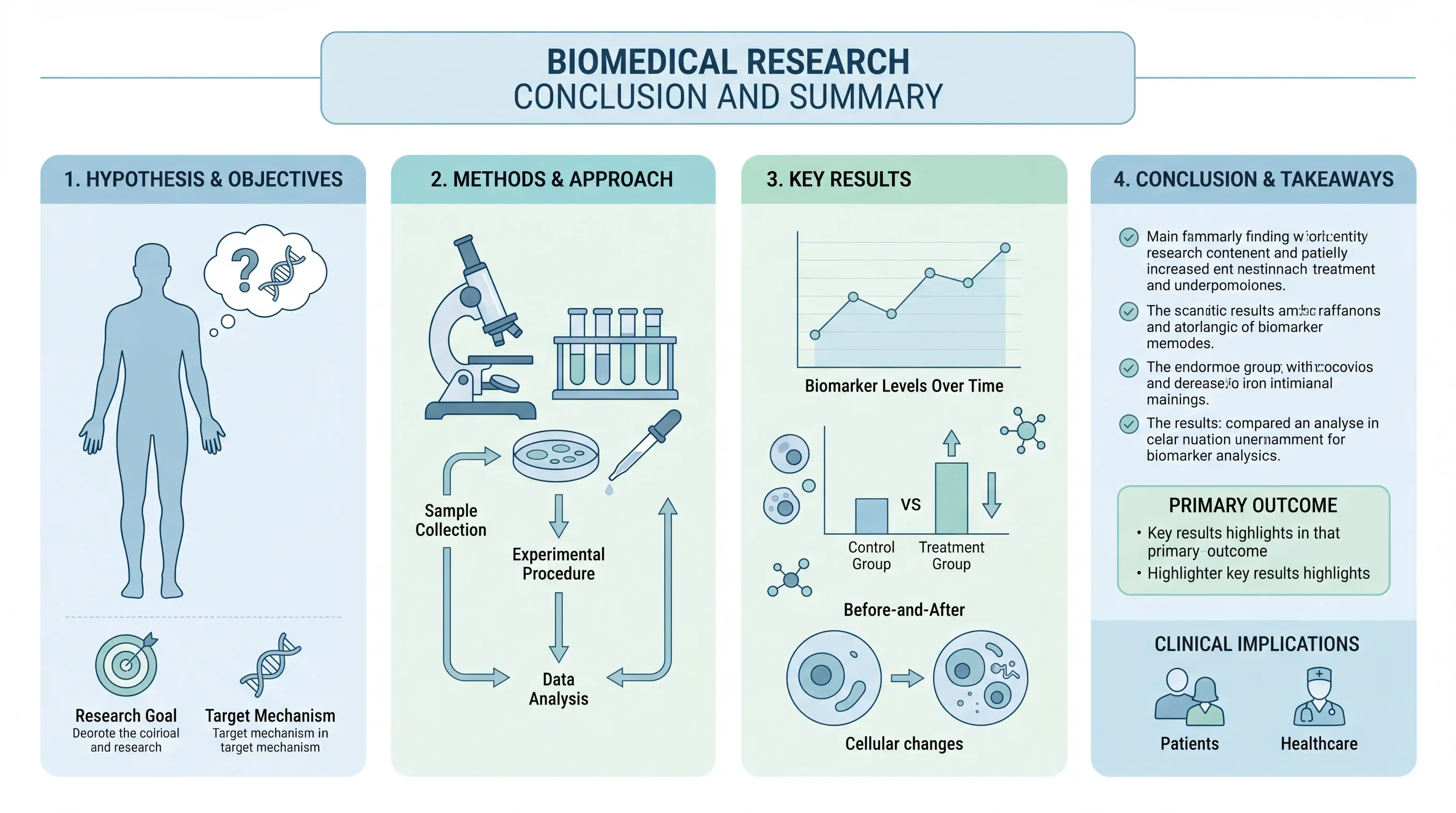
The first step in designing a randomized controlled trial is to ask a question that matters in practice. Start with a clinical controversy, an unmet need, or a treatment gap. Then narrow it into a testable research question. This is the foundation of the entire study.
A good RCT question should be specific. It should define the population, intervention, comparison, and outcome. In practice, that means deciding who the patients are, what treatment you will test, what you will compare it against, and what result you will measure.
If the question is vague, the trial will be vague. That usually leads to poor recruitment, unclear endpoints, and weak publication value.
1.2 Check feasibility early
A strong idea is not always a feasible trial. Before you move forward, assess whether your team can recruit enough participants, follow them long enough, and measure the outcomes reliably. If the study needs long-term follow-up, your data system and patient retention plan must be ready from the start.
You should also review existing literature. This helps you avoid duplicating an old study and lets you identify the gap your trial can fill. In a rigorous RCT, the research question is not only novel. It is also realistic.
2. Build the Core Trial Design
2.1 Define the study population
Once the question is clear, define the target population and the actual study population. This means writing precise inclusion and exclusion criteria. These criteria should match the clinical question, not simply make recruitment easier.
The participants should be recruited from a well-defined setting. That could be a hospital ward, outpatient clinic, or multicenter network. The more clearly you define the setting, the easier it is to interpret the results later.
Comparability begins at enrollment. If the population is too mixed, the trial may become difficult to analyze and hard to apply in real-world practice.
2.2 Choose the intervention and control group
An RCT must include a control group. This is what allows you to compare outcomes fairly. Depending on the question, the control may be placebo, usual care, no treatment, or another active treatment.
Your intervention must be described in detail. Include dose, timing, duration, delivery method, and any co-interventions. If the protocol is unclear, the trial cannot be reproduced.
The control group should be ethically acceptable and scientifically appropriate. A good control condition helps isolate the effect of the intervention itself.
2.3 Select the primary and secondary outcomes
Outcome selection is one of the most important design choices. The primary outcome should directly answer the main clinical question. Secondary outcomes can support the main result, but they should not replace it.
Choose outcomes that are measurable, clinically meaningful, and achievable within your study timeline. For example, mortality, symptom scores, readmission rates, or biomarker changes may be suitable depending on the disease area.
A trial without a strong primary outcome is hard to interpret and harder to publish.
3. Protect Validity with Randomization and Blinding
3.1 Randomize correctly
Randomization is what separates an RCT from an observational study. Its main purpose is to reduce confounding and make the groups comparable at baseline. Randomization helps ensure that known and unknown factors are distributed more evenly.
Common methods include simple randomization, block randomization, and stratified randomization. The choice depends on sample size and the need to balance important prognostic factors. For small trials, block methods often help prevent unequal group sizes.
Randomization only guarantees baseline comparability. It does not protect the trial after enrollment. That is why other safeguards are still necessary.
3.2 Use blinding when possible
Blinding reduces bias after randomization. If participants, clinicians, or outcome assessors know the allocation, they may influence reporting, treatment delivery, or assessment. That can distort the results.
Not every trial can be fully blinded. In surgical or behavioral studies, blinding may be difficult. But you should still blind outcome assessors or statisticians when possible. The goal is to keep the trial as objective as possible.
3.3 Plan for follow-up and adherence
Loss to follow-up is a major threat to validity. A trial can start with perfect randomization and still become unreliable if many participants drop out. To reduce this risk, build a retention plan before recruitment begins.
You should also define how protocol deviations will be handled. Many RCTs use intention-to-treat analysis to preserve the benefits of randomization. This approach analyzes participants according to their original group assignment, even if they did not fully adhere to the protocol.
4. Prepare the Trial Infrastructure
4.1 Build the protocol and CRF
A randomized controlled trial needs a detailed protocol. This document should cover objectives, eligibility criteria, interventions, outcomes, safety monitoring, randomization, and analysis plans. In clinical research, the protocol is not just paperwork. It is the operational blueprint of the study.
You also need a case report form, or CRF. The CRF defines what data will be collected and how. A poorly designed CRF creates missing data, inconsistent coding, and avoidable cleanup work later.
Good data begin with good structure. If the CRF is unclear, the database will be weak too.
4.2 Register the trial and follow reporting standards
For clinical trials, registration is essential. It improves transparency and makes the study easier to verify. It also reduces the risk of selective reporting.
CONSORT is the key reporting standard for randomized trials. It helps researchers report the background, methods, participant flow, randomization, interventions, outcomes, and statistical approach in a structured way. Following CONSORT does not make a trial better by itself, but it makes the final report clearer and more trustworthy.
4.3 Secure ethical approval
No RCT should start without ethics review. The study must be acceptable from both a scientific and a patient-safety perspective. The consent process should be clear, readable, and aligned with the actual risks of the study.
Ethics is not an afterthought. It shapes who can be enrolled, what data can be collected, and how adverse events are handled.
5. Manage Data and Analysis Properly
5.1 Collect data systematically
After enrollment begins, data collection must follow the protocol exactly. Use predefined forms and standard definitions. Train the study team before the first patient enters the trial.
Data management should include quality checks, missing-data review, and secure storage. If the trial is multicenter, uniform data entry is even more important. Inconsistent records can damage the credibility of the whole study.
5.2 Write the statistical analysis plan early
The statistical analysis plan should be prepared before the database is locked. It should specify the primary analysis, secondary analyses, handling of missing data, subgroup analysis, and significance thresholds.
Do not wait until the data are collected to decide how you will analyze them. That creates risk of bias and weakens the scientific value of the trial. Pre-specification is one of the clearest signs of a well-designed RCT.
5.3 Interpret results with caution
A positive result is not automatically a meaningful result. Consider effect size, confidence intervals, clinical relevance, and potential bias. A statistically significant difference may still be too small to matter in practice.
A rigorous RCT report should present both benefits and limitations. That balanced approach improves trust and helps readers judge whether the findings apply to their own patients.
6. Write, Position, and Publish the Trial
6.1 Structure the manuscript around the study
When the trial is complete, the manuscript should follow the logic of the study itself. Start with the clinical problem, describe the design clearly, present the outcomes honestly, and explain the implications carefully.
The introduction should justify why the trial was needed. The methods section should allow replication. The results should show participant flow, baseline balance, and outcome data. The discussion should explain what the findings mean without overstating them.
6.2 Choose the right journal
Journal selection matters. A study should be submitted to a journal that matches the topic, trial scale, and methodological quality. A strong submission includes a clean manuscript, CONSORT-compliant figures, and a clear explanation of why the trial matters.
If the journal scope is wrong, even a good study may be rejected quickly. Matching the article to the right audience is part of the research strategy.
6.3 Use tools that support the process
Designing an RCT from scratch is demanding. You have to handle literature review, protocol structure, outcomes, randomization logic, data collection, and manuscript preparation. That is why many researchers now use digital tools to organize the workflow.
scifocus.ai can support researchers who need faster planning, clearer structure, and more efficient trial writing. It is especially useful when you want to move from a rough idea to a publishable research framework without losing methodological discipline.
Conclusion
A well-designed randomized controlled trial is built step by step. You begin with a strong clinical question. Then you define the population, intervention, control group, and outcomes. After that, you protect validity with randomization, blinding, follow-up, and careful data management. Finally, you report the study with transparency and precision. If you are planning an RCT and want a more efficient way to organize the process, explore scifocus.ai as a practical support tool for research planning and writing.
Did you like this article? Explore a few more related posts.
Start Your Research Journey With Scifocus Today
Create your free Scifocus account today and take your research to the next level. Experience the difference firsthand—your journey to academic excellence starts here.