

How to Design a Pilot Study That Sets Up a Larger Trial
Introduction
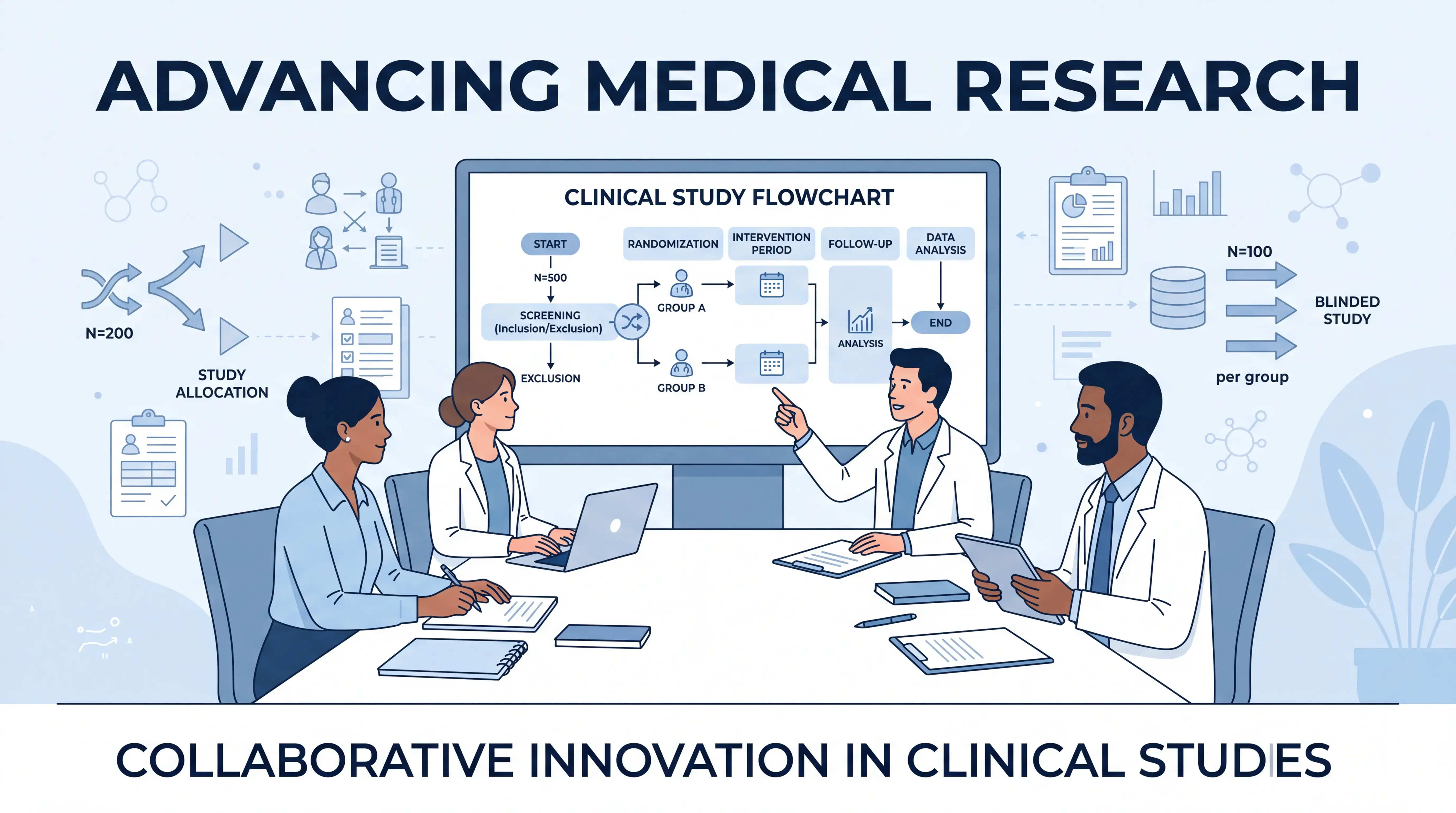
A pilot study is not a small version of the main trial. It is a test of whether the larger trial can work in real life. Many research teams lose time because the pilot is vague, underplanned, or overloaded with too many aims. If you are writing an essay on this topic, the key question is simple: how do you design a pilot study that produces useful evidence for a future full-scale trial? This guide gives a practical, research-focused answer.
1. Define the role of the pilot study
1.1 Focus on feasibility, not efficacy
A pilot study should answer feasibility questions. It should not try to prove the intervention works. That is the job of the larger trial. The pilot helps you see whether the protocol is realistic, whether recruitment is possible, and whether participants will stay in the study.
A strong pilot study protects the main trial from avoidable failure.
That is why the research question must be narrow and practical.
1.2 Set two or three clear objectives
A complete research protocol usually includes several parts, but the pilot itself should stay focused. In practice, two or three objectives are enough. For example:
- Can eligible patients be identified and recruited?
- Can the intervention be delivered as planned?
- Are the outcome measures acceptable and complete?
These objectives are more useful than a long list of broad ambitions. They create a clear path to the main trial.
2. Build the pilot around the future trial
2.1 Start with the larger trial design
The pilot should mirror the larger trial as closely as possible. That means using the same target population, similar inclusion and exclusion criteria, and the same intervention logic. If the main trial will be a randomized controlled trial, the pilot should test the same randomization approach whenever feasible.
This is where many teams make a mistake. They design the pilot as a separate project. Then the results cannot support the later trial. The pilot study should de-risk the future trial, not reinvent it.
2.2 Predefine what will be carried forward
You need to know what the pilot is testing for the main trial. Common items include:
- Recruitment rate per month
- Retention at follow-up
- Missing data rate
- Intervention adherence
- Safety signals
- Acceptability to participants and staff
These outcomes are essential because they tell you whether the trial is viable.
3. Choose practical feasibility outcomes
3.1 Measure what can be acted on
Good pilot outcomes are operational. They help the team make decisions. For example, if retention is below target, you may need more reminders, shorter visits, or a different follow-up schedule. If recruitment is slow, the eligibility criteria may be too strict.
Pilot outcomes should lead directly to protocol changes.
If they cannot change the trial design, they are less useful.
3.2 Avoid overinterpreting effectiveness signals
A pilot may show a positive trend, but the sample is usually too small for definitive conclusions. Treat effect estimates cautiously. Confidence intervals are often wide. The purpose is to estimate variability, refine procedures, and check whether the larger trial is worth pursuing.
In an essay or protocol, this distinction matters. It shows methodological discipline.
4. Design the sample and setting carefully
4.1 Use a realistic sample size
Pilot studies are typically small. The exact number depends on the objective, not on statistical power for efficacy. The key is to include enough participants to test processes such as recruitment, delivery, and follow-up.
A small but realistic sample is better than an inflated one with no operational value.
4.2 Choose a setting that resembles the main trial
If the larger trial will run across hospital departments or multiple sites, the pilot should include similar environments whenever possible. Differences in staffing, patient flow, and data systems can strongly affect feasibility.
For clinicians and researchers, this point is critical. A pilot done in an ideal setting may look successful, but the main trial may still fail in routine practice.
5. Plan the protocol in detail
5.1 Specify intervention, outcomes, and analysis
The research protocol should clearly describe the intervention, outcome measures, data collection methods, and analysis plan. In clinical research, this structure usually includes background, objectives, methods, feasibility issues, ethics, and expected results.
A complete protocol is the backbone of both the pilot and the later trial.
5.2 Address bias, confounding, and logistics
Even a pilot study needs rigor. You should think about:
- How participants are assigned
- How outcomes are measured
- How missing data will be handled
- How staff training will be standardized
- How protocol deviations will be recorded
These details improve the quality of the pilot and prepare the team for the larger trial.
6. Randomization, registration, and ethics matter
6.1 Use randomization when the main trial will
If the future trial is randomized, the pilot should test the randomization workflow. This includes allocation concealment, sequence generation, and staff compliance. These are not minor technical points. They affect trial credibility.
6.2 Register the pilot study
Registration is especially important in randomized studies. It improves transparency and helps avoid selective reporting. For medical students, doctors, and researchers, this is now a standard expectation in high-quality clinical research.
6.3 Secure ethical approval and consent
Pilot studies still involve participants, so ethics review and informed consent are required. Participants should understand that the study is exploratory and designed to prepare for a larger trial.
7. Define success criteria before you begin
7.1 Use go, modify, or stop rules
The most useful pilot studies have predefined decision rules. After the pilot, the team should be able to decide whether to:
- Move directly to the larger trial
- Modify the protocol and pilot again
- Stop the project
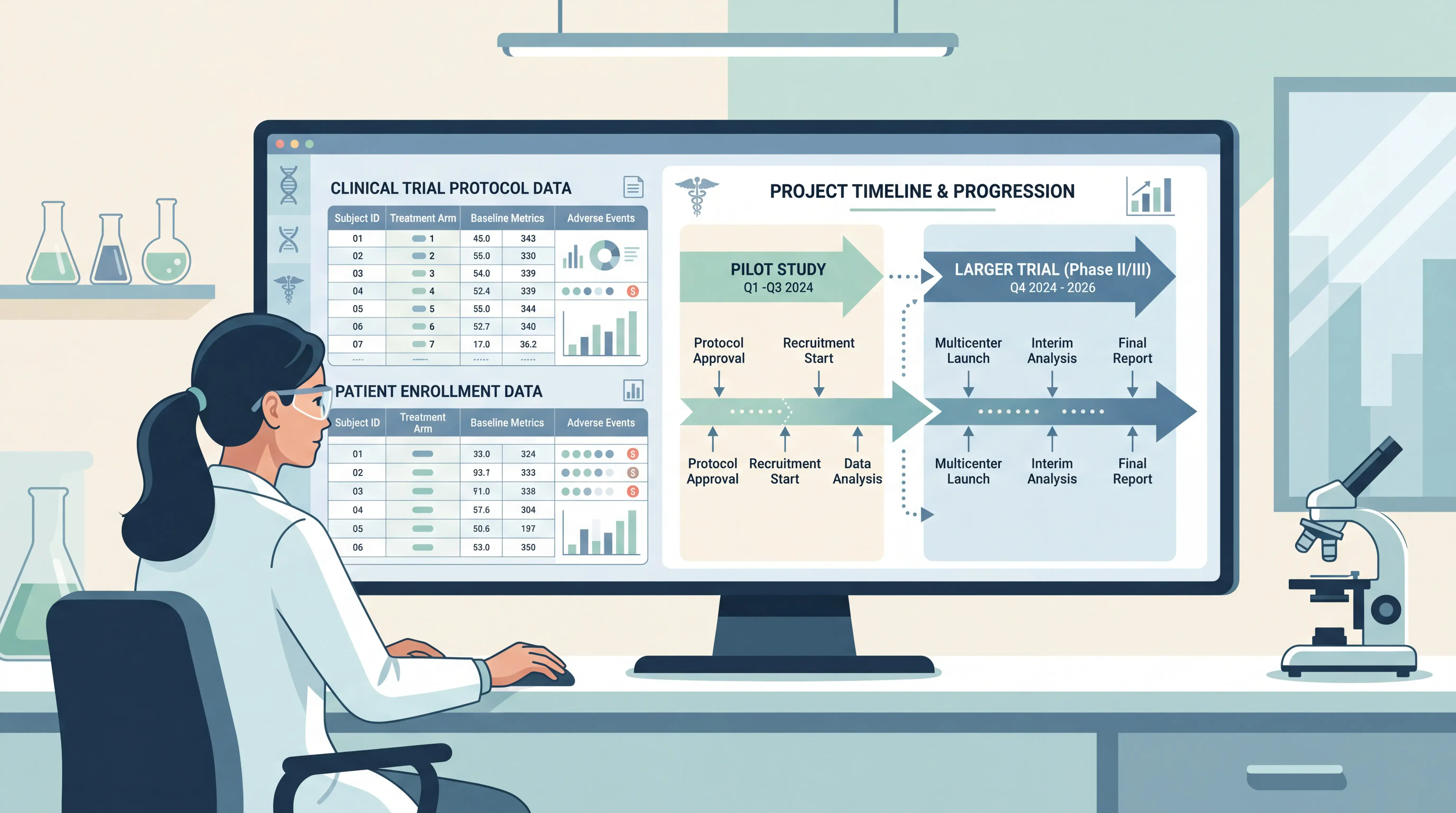
For example, you may set thresholds for recruitment, retention, and data completeness. These thresholds make the pilot decision-making process objective.
7.2 Report results honestly
Do not present a weak pilot as if it proved clinical benefit. Report what worked, what did not, and what needs revision. This is how the pilot supports a stronger main trial.
8. Use the pilot to refine the full trial
8.1 Turn pilot findings into protocol changes
A useful pilot often leads to practical changes, such as:
- Simplifying eligibility criteria
- Adjusting visit schedules
- Improving participant information sheets
- Strengthening staff training
- Revising outcome collection tools
These refinements may save the larger trial from costly failure.
8.2 Keep the research question aligned
The final question should still be the same one you set out to answer. The pilot exists to sharpen the path, not to change the destination. This alignment is what makes the pilot scientifically valuable.
9. Tools that improve trial planning
9.1 Use digital workflows to organize the study
Trial planning often involves many moving parts: protocol drafting, version control, data templates, recruitment tracking, and ethics documents. Tools like scifocus.ai can help researchers organize these tasks more efficiently. For busy clinicians and research teams, that means less time spent on administration and more time spent on study design.
9.2 Keep documentation clear and searchable
A pilot study generates lessons that should be easy to find later. Good documentation supports the larger trial, strengthens team communication, and improves reproducibility. Structured planning is not just convenient. It is part of trial quality.
Conclusion
A pilot study should answer one central question: can the larger trial be done well? To do that, it must have a narrow purpose, a realistic sample, clear feasibility outcomes, a protocol that mirrors the main trial, and predefined decision rules. It should also meet the same standards of ethics, transparency, and registration expected in clinical research.
For medical students, physicians, and researchers, the message is straightforward. A well-designed pilot study saves time, reduces risk, and strengthens the next stage of research. If you want to plan, draft, and organize your study more efficiently, consider using scifocus.ai to support your workflow and keep your trial documents aligned from pilot to full study.
Did you like this article? Explore a few more related posts.
Start Your Research Journey With Scifocus Today
Create your free Scifocus account today and take your research to the next level. Experience the difference firsthand—your journey to academic excellence starts here.