

Duplicate Publication and Salami Slicing Explained
Introduction
Publishing an essay or research paper should build trust, not risk misconduct. Yet many authors, especially medical students, doctors, and researchers, are unsure where duplicate publication ends and salami slicing begins. Both can damage your reputation, delay publication, and trigger journal rejection.
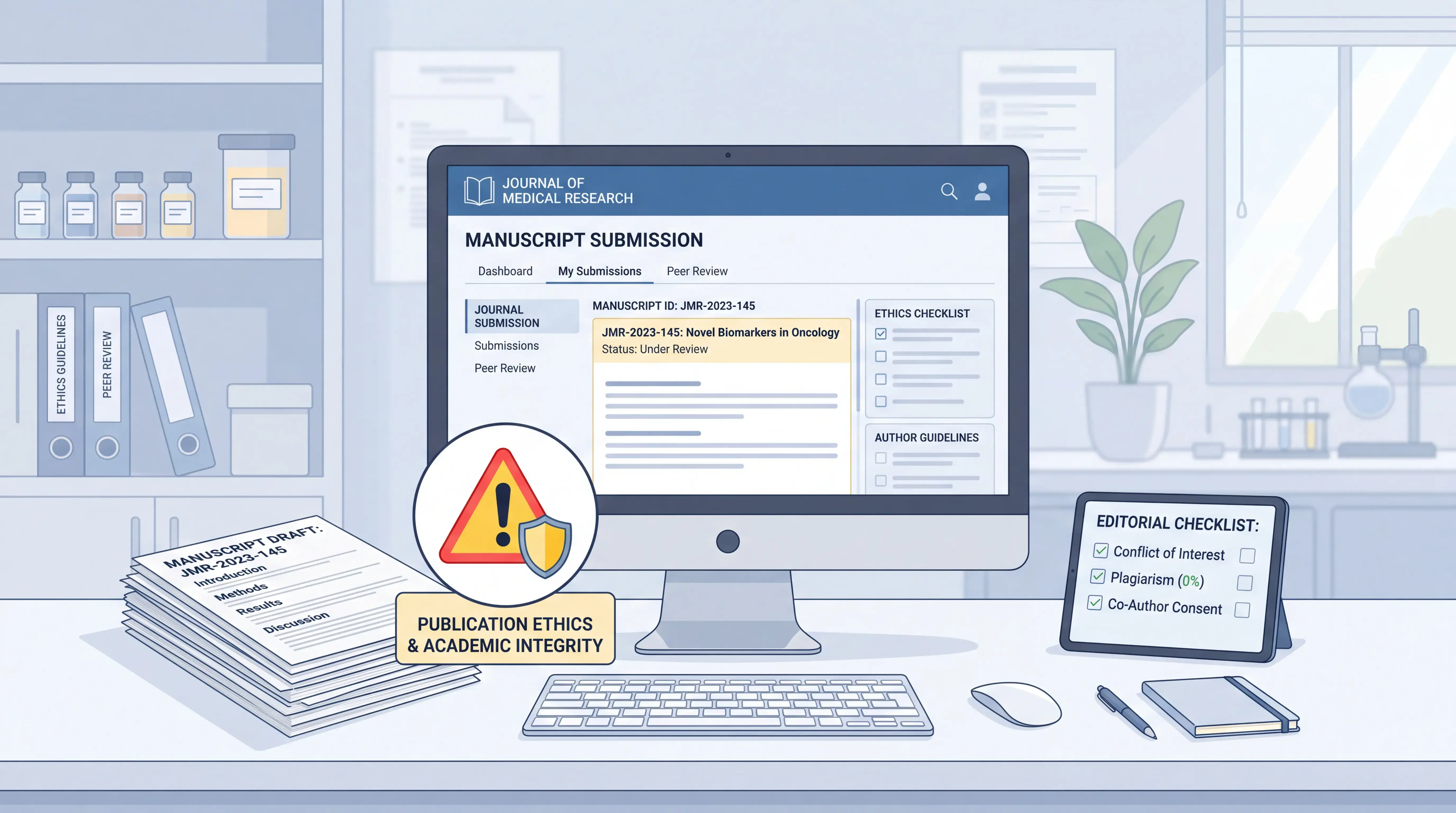
1. What Duplicate Publication Means
1.1 The Core Definition
Duplicate publication happens when substantially the same work is published more than once without proper disclosure. It may appear in the same language or a different language. It may also involve overlapping data, text, tables, or conclusions.
In medical publishing, this is a serious issue because it can distort the evidence base. If the same findings are counted twice, systematic reviews and meta-analyses may be biased. That means duplicate publication is not just a publishing problem. It is a research integrity problem.
1.2 Why Journals Treat It Seriously
Most journals expect original submission. They want work that has not been published elsewhere and is not under review elsewhere. This rule protects the novelty of the record and prevents “double counting” of data.
When duplicate publication is detected, common outcomes include:
- Rejection before peer review.
- Retraction after publication.
- Notification to the author’s institution.
- Damage to future submission credibility.
For medical authors, the consequences can be even more important. A publication record is often used in fellowship, hiring, and promotion decisions. A single misconduct case can affect long-term academic trust.
1.3 When Overlap Becomes a Problem
Not every repeated element is misconduct. Methods sections may resemble earlier papers because the protocol is similar. Background text may also share standard phrases. The problem starts when the same core findings are reused as if they were new.
Editors usually look at:
- The degree of overlap in results and conclusions.
- Whether the same patient cohort or dataset is reused.
- Whether prior publication was disclosed.
- Whether the new paper adds clearly distinct scientific value.
A short conference abstract may not count as full publication. But a full article, especially with the same data and conclusions, usually raises concern.
2. What Salami Slicing Means
2.1 The Basic Idea
Salami slicing means dividing one substantial study into multiple smaller papers to create more publications than the data justify. Each paper may look separate on the surface, but the underlying dataset is often the same.
This practice can make a project seem more productive than it really is. It can also weaken the scientific message. Instead of one strong essay or paper, readers get several thin fragments.
2.2 Why It Happens
The pressure to publish is a major driver. Researchers may feel that multiple papers improve career metrics, grant competitiveness, or promotion records. In competitive medical environments, this pressure is real.
Still, publication volume alone does not equal scientific value. Journals and reviewers increasingly look for:
- Clear research questions.
- Adequate sample size.
- Distinct outcomes.
- Meaningful clinical or scientific contribution.
If one dataset is split into many minimal papers, readers may struggle to understand the full picture. That reduces utility and can undermine trust.
2.3 The Difference Between Legitimate Subdivision and Salami Slicing
Not every multi-paper project is unethical. Large studies often generate distinct, valid outputs. For example, one cohort may support a primary outcomes paper, a subgroup analysis, and a methodology paper.
The difference depends on substance, not quantity. Ask these questions:
- Does each paper answer a genuinely different question?
- Does each paper rely on a distinct analysis?
- Would combining them create a more complete and honest report?
- Is the division necessary for readability, or only for publication count?
If the answer is “publication count,” the risk of salami slicing is high.
3. Duplicate Publication and Salami Slicing: Key Differences
3.1 Same Data, Different Problem
These two issues are related, but not identical. Duplicate publication repeats the same work. Salami slicing fragments one work into multiple parts.
Duplicate publication says, “This has already been published.” Salami slicing says, “This study was broken into too many pieces.” Both can mislead readers and distort the literature.
3.2 How Editors Distinguish Them
Editors assess originality, overlap, and disclosure. The key question is whether the manuscript adds a distinct contribution.
A useful comparison:
- Duplicate publication: repeated publication of the same or nearly same content.
- Salami slicing: excessive division of one dataset into multiple papers.
- Acceptable multiple papers: separate questions, separate analyses, clear transparency.
This distinction matters for anyone preparing an essay based on original research. Even if your writing is polished, the submission can still be problematic if the publication strategy is weak.
3.3 Why Both Harm the Evidence Base
Medical literature depends on accurate reporting. When the same data are repackaged or split without justification, the literature becomes inflated. That can affect clinical guidelines, citations, and future research priorities.
A crowded publication record is not the same as a reliable one. For clinicians and researchers, quality must come before quantity.
4. Real-World Risks for Medical Authors
4.1 Institutional and Journal Consequences
Universities, hospitals, and journals increasingly use plagiarism screening and overlap checks. Many journals also ask authors to confirm originality during submission. If the manuscript violates policy, the process can stop immediately.
Potential consequences include:
- Immediate desk rejection.
- Formal ethics investigation.
- Retraction and public correction.
- Limitations on future submissions.
These outcomes are especially costly for early-career authors. Medical students and residents may not realize that even partial reuse can be flagged.
4.2 Reputation and Career Impact
Academic trust is hard to rebuild. Editors may remember repeated overlap issues. Coauthors may become more cautious. Institutions may review research behavior more closely.
For physicians and researchers, credibility matters beyond publishing. It can influence speaking invitations, research collaborations, and grant support. One weak manuscript strategy can affect an entire academic profile.
4.3 The Hidden Cost of Poor Planning
Many authors do not intend misconduct. They simply plan the project poorly. They may separate data too early, submit similar manuscripts to different journals, or fail to disclose related work.
That is why prevention is better than correction. A strong writing workflow reduces ethical risk before submission.
5. How to Avoid These Problems
5.1 Start With a Clear Publication Plan
Before writing, define the main research question and the expected outputs. One study should usually have one central message. If multiple papers are justified, decide that early and document the boundaries.
A practical checklist:
- Identify the primary outcome.
- Map each dataset to one question.
- Decide which analyses belong together.
- Record prior abstracts, preprints, or related submissions.
- Disclose overlap transparently to editors.
This is especially useful when preparing an essay or manuscript from a thesis, project, or clinical dataset.
5.2 Disclose Related Work Early
Transparency reduces risk. If a related abstract, preprint, thesis chapter, or earlier article exists, tell the journal. Many editors are willing to evaluate overlap if they can see the full context.
Do not assume “the editor will not notice.” They often will. Similar text, repeated tables, and shared figures are easy to detect. Disclosure is safer than silence.
5.3 Use Technology to Check Before Submission
Manuscript screening tools can help identify overlap, structure issues, and citation gaps before a journal does. They do not replace editorial judgment, but they can reduce avoidable risk.
This is where workflow tools become valuable. A platform like scifocus.ai can help authors refine structure, improve clarity, and detect weaknesses early. For busy medical authors, that means fewer submission errors and a cleaner path to publication. It is especially useful when turning a draft into a publication-ready essay with strong logic and transparent framing.
6. Practical Checklist Before You Submit
6.1 Ask These Questions
Before submission, review the manuscript with a strict ethics lens:
- Is this content substantially original?
- Has any part been published before?
- Is any prior work disclosed in the cover letter or manuscript?
- Does each paper from the project have a distinct scientific purpose?
- Could a reader reasonably think the same data are being reused?
If any answer is uncertain, pause and review the manuscript strategy.
6.2 What Good Practice Looks Like
Good publishing practice is simple to describe and hard to ignore:
- One paper, one clear question.
- One dataset, one honest reporting plan.
- Prior work disclosed upfront.
- No redundant publication.
- No unnecessary fragmentation.
The best academic writing is transparent, efficient, and useful to readers.
Conclusion
Duplicate publication and salami slicing are different, but both can seriously damage medical publishing integrity. One repeats the same work. The other breaks one study into too many pieces. For medical students, doctors, and researchers, the safest approach is clear planning, transparent disclosure, and strong manuscript discipline.
If you want to reduce submission risk and improve the quality of every essay or research draft, consider using scifocus.ai to support structure, clarity, and publication readiness. Better writing starts with better process.

Did you like this article? Explore a few more related posts.
Start Your Research Journey With Scifocus Today
Create your free Scifocus account today and take your research to the next level. Experience the difference firsthand—your journey to academic excellence starts here.