

Creating an Effective Essay Structure
Introduction
An effective essay structure is not just about format. It is about logic, clarity, and reader guidance. For medical students, doctors, and researchers, weak structure can hide strong ideas. Strong structure helps the reader follow your argument, your evidence, and your conclusion without effort. A well-built essay improves readability, strengthens academic credibility, and supports faster comprehension.
1. Why Essay Structure Matters in Academic Writing
1.1 Structure Shapes Reader Understanding
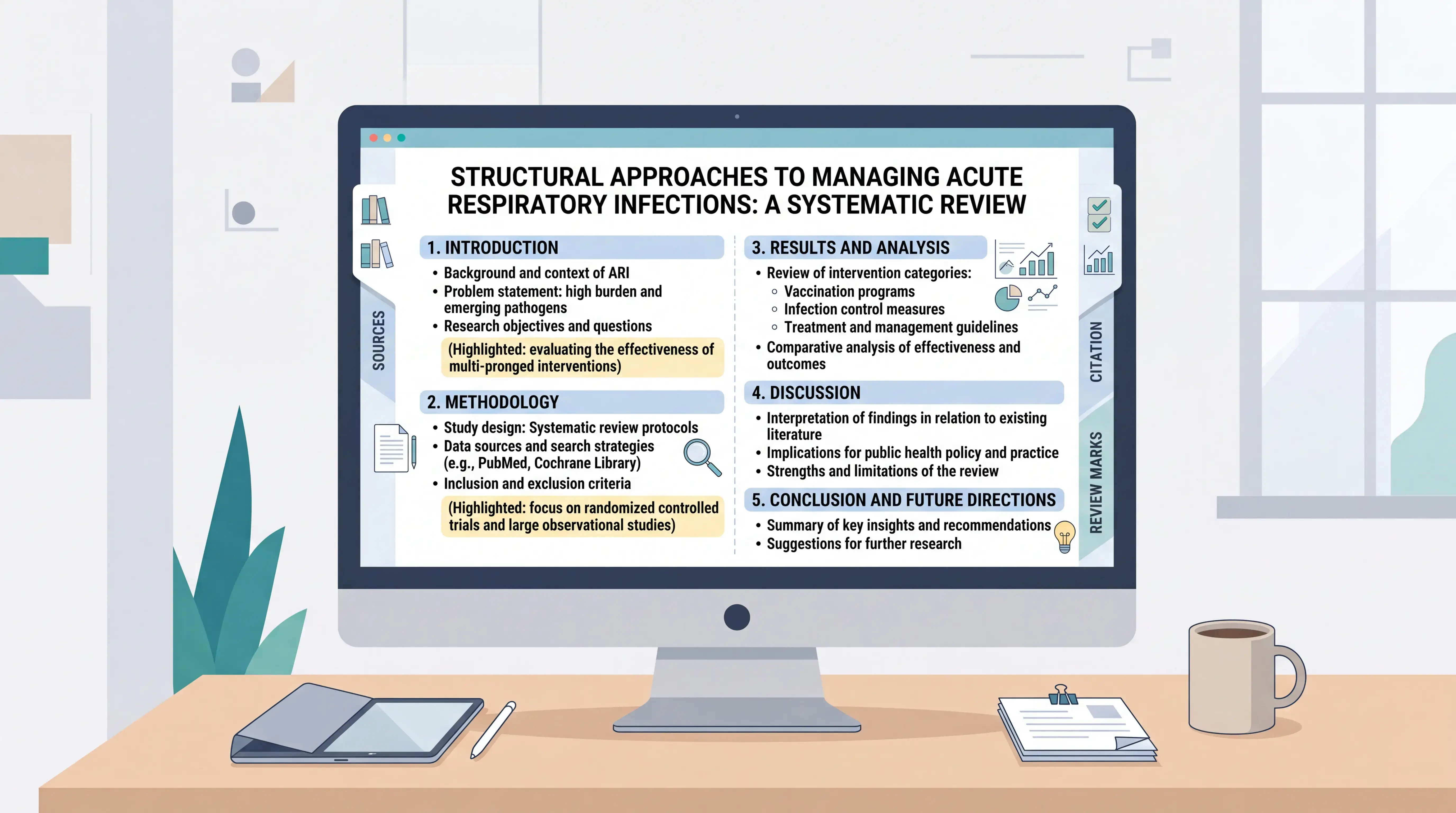
In scientific and medical writing, readers do not have time to decode disorganized ideas. They expect a clear path from problem to evidence to conclusion. That is why essay structure matters.
A strong essay gives each paragraph a defined role. The introduction sets the topic. The body develops one main idea at a time. The conclusion closes the argument. This simple framework reduces confusion and improves retention.
1.2 Structure Supports Scientific Thinking
Medical and research audiences value precision. A structured essay reflects that precision. It shows that the writer can organize evidence, compare findings, and present ideas in a logical sequence.
Good structure is not decoration. It is a method of thinking. When your ideas are arranged logically, your argument becomes more persuasive and more professional.
1.3 Structure Improves Efficiency
A clear essay structure also saves time. Readers can quickly locate the key message. Reviewers can assess relevance faster. Students can revise more effectively because each section has a clear purpose.
For clinical and academic readers, this efficiency matters. In a field where time is limited, clarity is an asset.
2. The Core Parts of an Effective Essay
2.1 Introduction: State the Purpose Early
The introduction should explain the topic, the problem, and the direction of the discussion. Keep it short and direct. In most cases, 3 to 5 sentences are enough.
A strong introduction answers three questions:
- What is the essay about?
- Why does it matter?
- What will the reader learn?
For a professional essay, avoid vague openings. Begin with the central issue. Then move quickly to the main argument or focus.
2.2 Body Paragraphs: One Idea Per Paragraph
Each body paragraph should focus on one main point. Start with a topic sentence. Then add explanation, evidence, and interpretation. This creates a clean line of reasoning.
A practical essay body often follows this order:
- Main point.
- Supporting evidence.
- Explanation.
- Link to the next idea.
This is where most weak essays fail. They mix multiple ideas in one paragraph, which makes the argument hard to follow.
2.3 Conclusion: Close, Do Not Repeat
The conclusion should summarize the main message and reinforce the argument. It should not introduce new evidence. A concise conclusion helps the reader remember the core idea.
For academic writing, the conclusion should also show relevance. In medical and research contexts, that may mean a practical implication, a limitation, or a future direction.
3. How to Build Coherence in an Essay
3.1 Use Transition Words Correctly
Coherence depends on clear connections between ideas. Transition words help readers understand the logic of your essay.
Use them according to the relationship you want to show:
- Addition: furthermore, besides, equally important
- Comparison: similarly, likewise
- Contrast: however, in contrast, whereas
- Sequence: first, second, finally
- Example: for example, for instance
- Cause and purpose: therefore, to, in order to
Transitions should reflect logic, not decorate sentences. If the logic is weak, transitions alone will not fix it.
3.2 Repeat Key Terms Strategically
In scientific writing, controlled repetition is useful. Repeating key concepts can strengthen continuity. It helps the reader stay oriented.
For example, if your essay focuses on inflammation, keep using that term consistently instead of replacing it with many indirect alternatives. This is especially important in medical writing, where precision matters more than stylistic variety.
3.3 Use Parallel Structure
Parallel structure improves rhythm and clarity. It is especially useful when listing actions, findings, or comparisons.
Compare these two versions:
- Weak: The study aimed to reduce bias, improving accuracy, and to make analysis faster.
- Strong: The study aimed to reduce bias, improve accuracy, and increase analysis speed.
Parallelism makes an essay easier to read because it creates expectation and balance. That matters in academic prose, where dense information is common.
4. How to Make an Essay More Streamlined
4.1 Cut Long Sentences into Short Ones
A long sentence is not always better. In fact, long sentences often bury the main point. Streamlined writing uses short, direct sentences.
A practical rule is to keep most sentences focused on one idea. If a sentence contains multiple clauses, ask whether it can be split. This is especially helpful in a technical essay where precision is essential.
Short sentences are not simplistic. They are efficient.
4.2 Replace Wordy Expressions
Many academic writers use unnecessarily long phrases. These can weaken clarity.
Use simpler alternatives when possible:
- at the present time → now
- a majority of → most
- give rise to → cause
- in order to → to
- demonstrate → show
- prior to → before
Concise language improves readability and reduces cognitive load. In an academic essay, this makes the argument feel stronger and more controlled.
4.3 Avoid Unnecessary Formality
Some writers assume that complicated words sound more professional. Often, the opposite is true. Clear language is more authoritative than inflated language.
If a shorter word communicates the same meaning, choose the shorter word. That is not oversimplification. It is disciplined writing.
5. A Practical Essay Structure for Medical and Research Audiences
5.1 Use a Standard Logical Flow
For students, clinicians, and researchers, a standard structure is often the most effective:
- Introduction: define the issue
- Background: establish context
- Main discussion: develop the argument
- Evidence or examples: support claims
- Conclusion: summarize and apply
This format works because it mirrors how professional readers process information. A well-planned essay does not force the reader to guess the next step.
5.2 Keep Each Section Purposeful
Every paragraph should answer one question. Why is this point here? What does it add? How does it connect?
If a paragraph does not move the argument forward, remove it or rewrite it. Every sentence in an academic essay should earn its place.
5.3 Align Structure With the Audience
Medical students may need more explanation. Doctors may prefer faster access to the takeaway. Researchers often expect evidence, critique, and a logical gap.
That means the best essay structure is not rigid. It is adapted to purpose. But the core rule remains the same. The reader should never struggle to identify the main argument.
6. Tools That Can Improve Essay Planning and Writing
6.1 Use Digital Support for Drafting
Planning a strong essay is easier when you can organize ideas before writing. A structured drafting tool can help you map sections, refine transitions, and reduce repetition.
This is where platforms like scifocus.ai can add value. They can support outline building, idea organization, and clearer academic flow. For busy medical and research users, that can save time and reduce revision cycles.
6.2 Focus on Workflow, Not Just Output
The goal is not simply to produce more text. The goal is to produce a better argument. A good tool should help you maintain structure, coherence, and precision throughout the writing process.
If you work with complex literature, clinical evidence, or research summaries, a planning tool can make your essay more manageable from the first draft to the final version.
6.3 Use Technology as an Assistant
Technology should support judgment, not replace it. The writer still decides the argument, selects the evidence, and checks accuracy. But smart support can reduce friction and improve consistency.
For professional academic writing, the best tools make structure easier to see.
Conclusion
Creating an effective essay structure is a practical skill, not a theoretical one. It depends on clear sections, logical order, concise language, and strong transitions. For medical students, doctors, and researchers, these habits improve both readability and credibility.
If your drafts feel fragmented or difficult to follow, start with structure before polishing style. Build the logic first. Then refine the language. And if you want support in organizing and streamlining your academic writing, explore scifocus.ai as a workflow aid for clearer, faster essay development.
Did you like this article? Explore a few more related posts.
Start Your Research Journey With Scifocus Today
Create your free Scifocus account today and take your research to the next level. Experience the difference firsthand—your journey to academic excellence starts here.