
Best Databases for Academic Research
Introduction
For medical students, doctors, and researchers, finding the right essay sources is often harder than writing the paper itself. The problem is not a lack of information. It is too much low-quality information, scattered across platforms, with uneven search tools and limited access. Choosing the best databases for academic research saves time, improves evidence quality, and strengthens every stage of your study, from topic selection to citation.
1. Why Database Selection Matters in Academic Research
1.1 Quality Search Starts with the Right Source
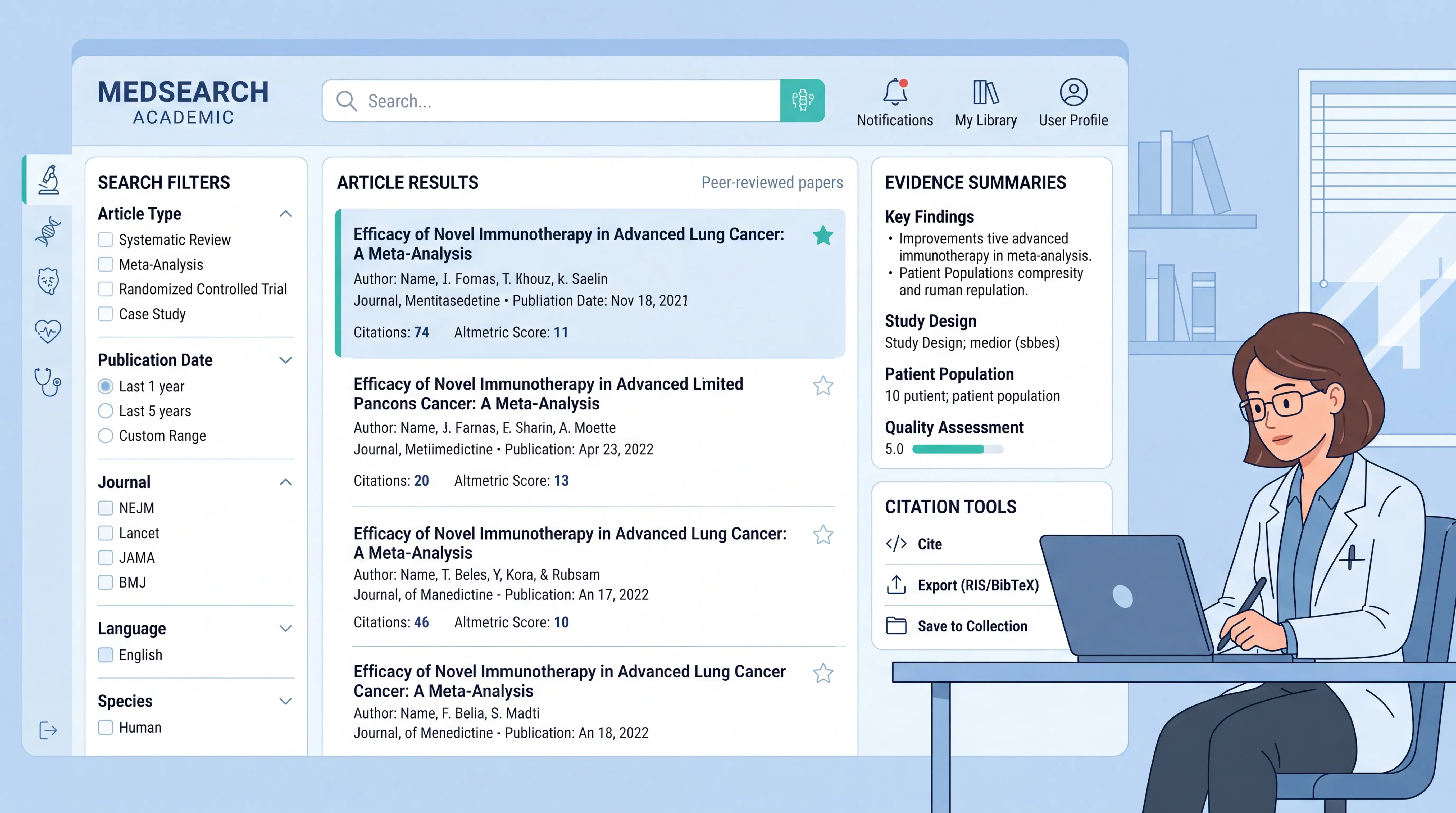
Academic research depends on reliable literature. In medicine, this matters even more. A strong database helps you find peer-reviewed studies, clinical evidence, conference papers, theses, and citation data in one place. A weak one wastes hours and may lead to incomplete conclusions.
The best databases for academic research do more than return results. They help you filter by topic, study type, year, author, and subject category. That makes your literature review more precise and your essay more credible.
1.2 What Medical Researchers Need Most
Medical learners and clinicians usually need three things:
- High-quality biomedical papers
- Fast access to recent studies
- Reliable citation and journal metrics
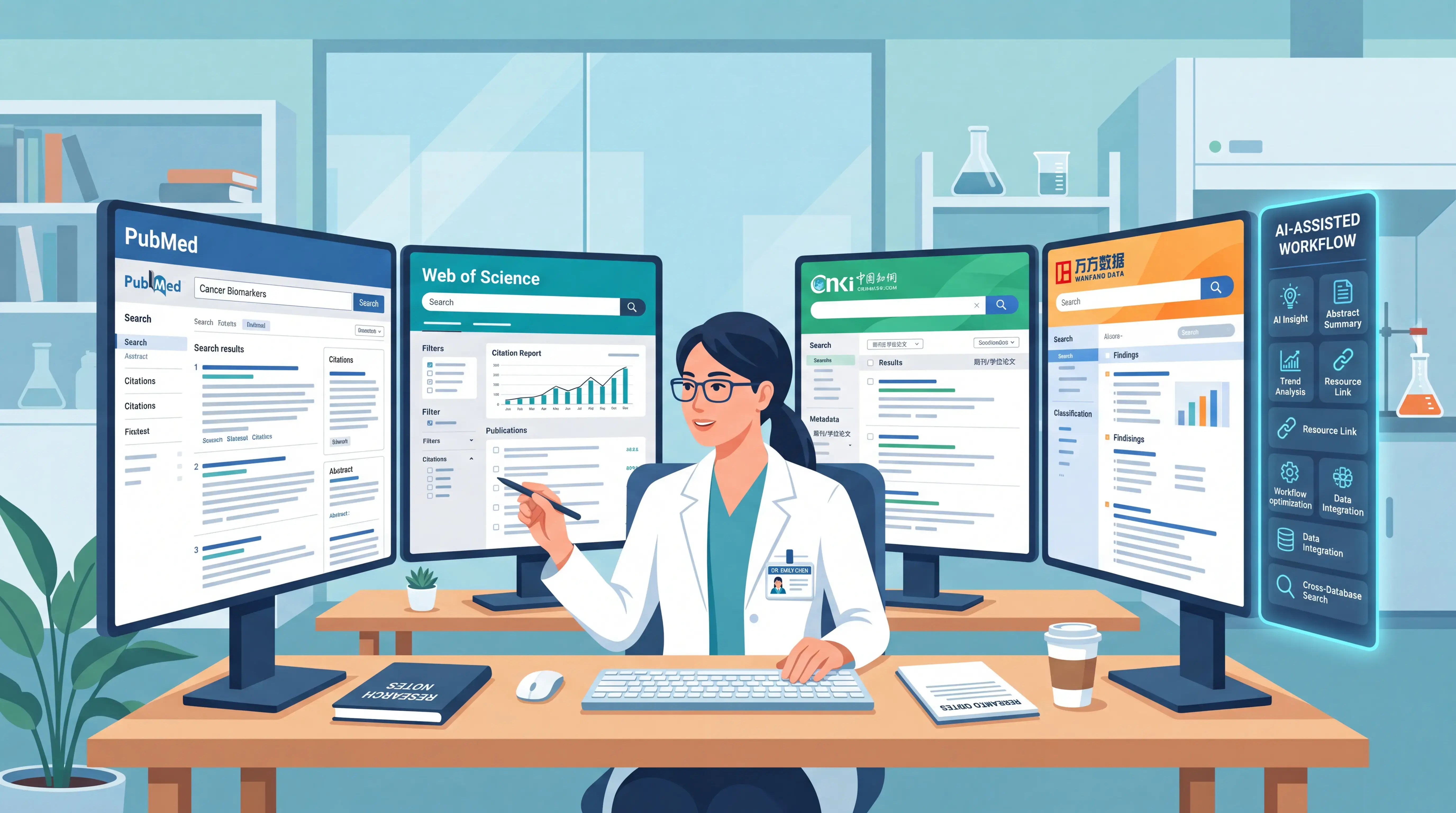
That is why a single database is rarely enough. Chinese and English resources often serve different purposes. For example, Chinese databases are useful for local academic context, while PubMed and Web of Science support international evidence tracking and journal evaluation.
2. Best Databases for Academic Research in Medicine
2.1 PubMed for Biomedical Literature
PubMed is one of the most important and authoritative databases in biomedicine. It is developed by the U.S. National Library of Medicine and the National Center for Biotechnology Information.
It is widely used because it supports:
- Simple search
- Advanced search
- Filters
- MeSH term search
For medical students and doctors, PubMed is often the first stop when building an essay or starting a clinical literature review. It is especially useful for finding current biomedical studies and topic-specific evidence.
If your goal is to understand what has been published in a medical field, PubMed is essential.
2.2 Web of Science for Citation Tracking and Journal Evaluation
Web of Science is a trusted global citation database. It is widely used to check whether an article is indexed in SCI and to evaluate journal impact.
Its strengths include:
- Citation reports
- Publication trend analysis
- Author and topic tracking
- Journal indexing visibility
This is especially valuable for researchers preparing a submission strategy. It helps avoid journals that do not match your target level. It also helps you understand research hotspots through citation counts and publication volume.
2.3 CNKI for Chinese Academic Literature
CNKI is one of the largest Chinese academic databases. It contains journals, dissertations, conference papers, newspapers, yearbooks, and other academic resources.
For medical and research users working with Chinese-language evidence, it is a major platform. It supports unified search and navigation, and many institutions provide campus access.
CNKI is useful when your essay needs:
- Chinese medical literature
- Local clinical evidence
- Thesis references
- Broader context from domestic studies
2.4 Wanfang Data for Broad Academic Coverage
Wanfang Data integrates journals, dissertations, conference papers, books, standards, patents, and scientific achievements. Its journal database covers multiple disciplines, including natural science, engineering, agriculture, law, and social science.
For medical research, Wanfang is a practical companion to CNKI. Its interface is similar, so users can search in a familiar way. It is often used for cross-checking Chinese literature and expanding the reference pool.
3. How to Search Smarter, Not Harder
3.1 Use Keywords, Filters, and Subject Terms
A database is only as effective as the search strategy behind it. Start with a clear keyword. Then narrow by article type, date, author, or topic category. In CNKI and Wanfang, dropdown options can reduce irrelevant results. In PubMed, MeSH terms improve precision.
A focused search produces a stronger essay than a broad search with hundreds of weak hits.
3.2 Track Research Hotspots
Academic writing is not only about collecting papers. It is also about understanding where the field is moving. To identify research trends, you can:
- Check funding and grant projects.
- Review citation reports in Web of Science.
- Follow leading scholars on Google Scholar or ResearchGate.
- Read the latest articles in top journals such as Cell, Nature, and Science.
This approach helps you avoid outdated topics and choose a direction with current scientific value.
3.3 Build a Practical Literature Workflow
A reliable workflow can save time in every essay or project:
- Search Chinese databases for local context
- Search PubMed for biomedical evidence
- Use Web of Science for citation and journal checks
- Compare findings across platforms
- Save only studies that match your inclusion criteria
This is a simple but effective method for students and researchers who need clean, defensible evidence.
4. How Databases Support Better Academic Output
4.1 Better Topic Selection
Good databases help you identify what has already been studied and where the gaps are. That is crucial before starting a thesis, paper, or clinical project. It reduces duplication and helps you choose a more original angle.
4.2 Better Evidence Synthesis
When your sources are strong, your review becomes stronger. You can compare study design, sample size, outcomes, and limitations with more confidence. This improves the quality of your essay and makes your argument more credible.
4.3 Better Submission Strategy
For researchers aiming at SCI or other indexed journals, database use is not optional. Web of Science helps with journal screening. PubMed helps with biomedical scope. CNKI and Wanfang help ensure no relevant Chinese evidence is missed.
5. Where SciFocus.ai Fits In
5.1 A Smarter Way to Handle Literature Work
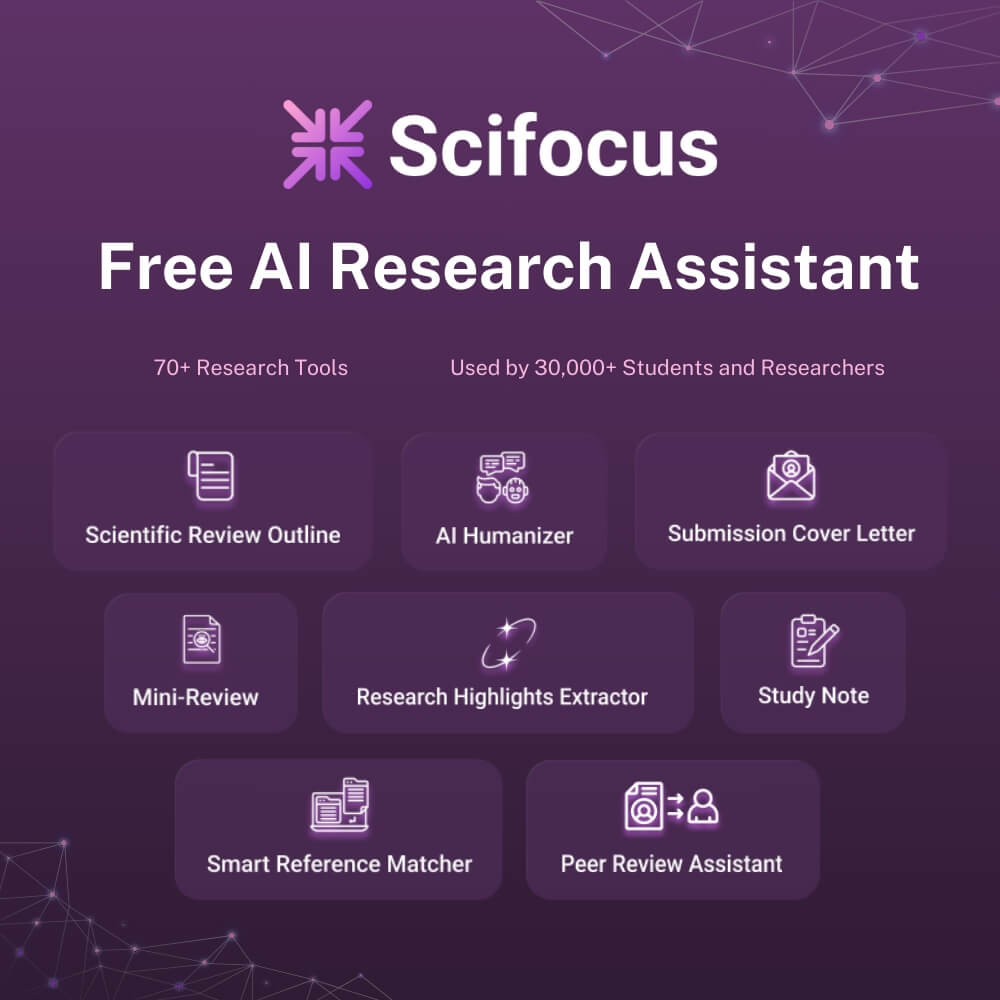
Even with the best databases for academic research, the workload can still be heavy. Searching, screening, organizing, and summarizing papers takes time. That is where scifocus.ai can support the process.
It can help users manage literature more efficiently, especially when they need to move from raw search results to a structured academic essay. For medical students, doctors, and researchers, that means less manual effort and faster progress.
5.2 Why This Matters for Busy Clinicians and Researchers
Many users do not lack interest. They lack time. A well-designed research workflow should reduce friction, not add it. Tools like scifocus.ai can help streamline repeated tasks so you can focus on interpretation, critical thinking, and writing.
If your goal is to produce a stronger essay with less wasted time, combining trusted databases with a workflow tool is the practical choice.
Conclusion
The best databases for academic research are the ones that match your purpose. PubMed is essential for biomedical evidence. Web of Science supports citation analysis and journal evaluation. CNKI and Wanfang remain important for Chinese academic literature. Together, they create a strong research foundation for medical students, doctors, and researchers.
If you want to work faster and organize evidence more efficiently, consider integrating scifocus.ai into your research workflow. It can help turn complex literature searching into a clearer, more manageable process.
Did you like this article? Explore a few more related posts.
Start Your Research Journey With Scifocus Today
Create your free Scifocus account today and take your research to the next level. Experience the difference firsthand—your journey to academic excellence starts here.