

APA Format for Medical Research Papers
Introduction
Writing an essay on medical research is not just about good language. It is about precision, structure, and credibility. Many medical students, doctors, and researchers lose time on formatting mistakes that weaken an otherwise strong paper. This guide explains how to use the APA format for medical research papers correctly, so your work reads clearly, meets academic expectations, and supports publication goals.

1. Why APA Format Matters in Medical Research
1.1 APA supports clarity and consistency
In medical writing, structure matters as much as content. APA style gives your essay a uniform format for headings, citations, and references. That helps readers focus on the research itself, not on inconsistent presentation.
For clinical and academic audiences, consistency signals professionalism. It also reduces confusion when readers move between methods, results, and discussion sections. In practice, APA formatting makes your paper easier to review, edit, and submit.
1.2 APA is useful even when journals use other styles
Not every medical journal uses APA. Many journals prefer Vancouver or journal-specific formats. Still, APA is widely taught in universities because it builds strong writing habits.
A well-formatted essay in APA style can also serve as a solid draft before conversion to another citation system. That saves time during revision. It also lowers the risk of missing essential elements such as author names, publication years, or page ranges.
2. Core APA Structure for Medical Research Papers
2.1 Use a standard academic paper layout
A medical research paper in APA style usually follows a predictable order:
- Title page
- Abstract
- Introduction
- Methods
- Results
- Discussion
- References
This structure helps readers move through the paper logically. It also matches the reporting flow used in many clinical studies. In observational research, for example, the standard sequence often follows introduction, methods, results, discussion, and conclusion.
A strong APA-formatted essay should make the research question, design, findings, and implications easy to identify within seconds.
2.2 Use headings to improve readability
APA heading levels help organize complex medical content. This is especially important in papers with multiple outcomes, statistical analyses, or subgroup comparisons.
Use headings to separate key sections and avoid long, dense blocks of text. In a medical essay, this improves scanability for professors, peer reviewers, and journal editors. It also supports a clean reading experience when the paper discusses diagnosis, intervention, data collection, or follow-up.
3. How to Format the Main Sections
3.1 Title page and abstract
Your title should be specific, concise, and informative. It should reflect the population, intervention, condition, or outcome when possible. For example, a title that signals the clinical focus is easier to understand and search.
The abstract should summarize the purpose, methods, major results, and conclusion. Keep it factual. Avoid citations in the abstract unless the target journal or institution allows them. In medical writing, the abstract is often the first section reviewers read, so accuracy matters.
3.2 Introduction and methods
The introduction should explain the clinical problem, why it matters, and what question the study addresses. A good medical essay does not start with general statements alone. It should quickly establish the research gap and rationale.
In the methods section, describe:
- study design
- participants
- inclusion and exclusion criteria
- exposure or intervention definitions
- outcome measures
- data collection procedures
- statistical methods
For observational clinical studies, careful method reporting is essential. Research guidance often emphasizes that the real work happens before writing. That means defining variables, planning follow-up, cleaning data, and choosing statistics before drafting the paper.
3.3 Results and discussion
Results should present findings objectively. Use tables and figures to show baseline characteristics, key comparisons, and model outputs. Keep interpretation out of this section.
The discussion section should do four things:
- summarize the main findings
- compare results with prior studies
- explain relevance and possible mechanisms
- acknowledge limitations
A medical research essay becomes stronger when the discussion stays balanced, specific, and evidence-based. Avoid overclaiming. If the sample size is small or follow-up is incomplete, state that clearly.
4. APA Citation and Reference Rules for Medical Sources
4.1 In-text citations must be accurate
APA uses author-date citations in the text. For example, a standard citation includes the author’s surname and year of publication. This makes it easy for readers to connect claims with sources.
In medical research, citation accuracy is critical because readers often check the original evidence. Wrong author order, missing years, or incomplete citations can reduce trust in the entire essay. Always match each in-text citation with the reference list.
4.2 Reference entries should follow a strict pattern
Your reference list should be alphabetized and formatted consistently. A typical medical source may include:
- journal articles
- books
- book chapters
- conference papers
- theses
- online resources
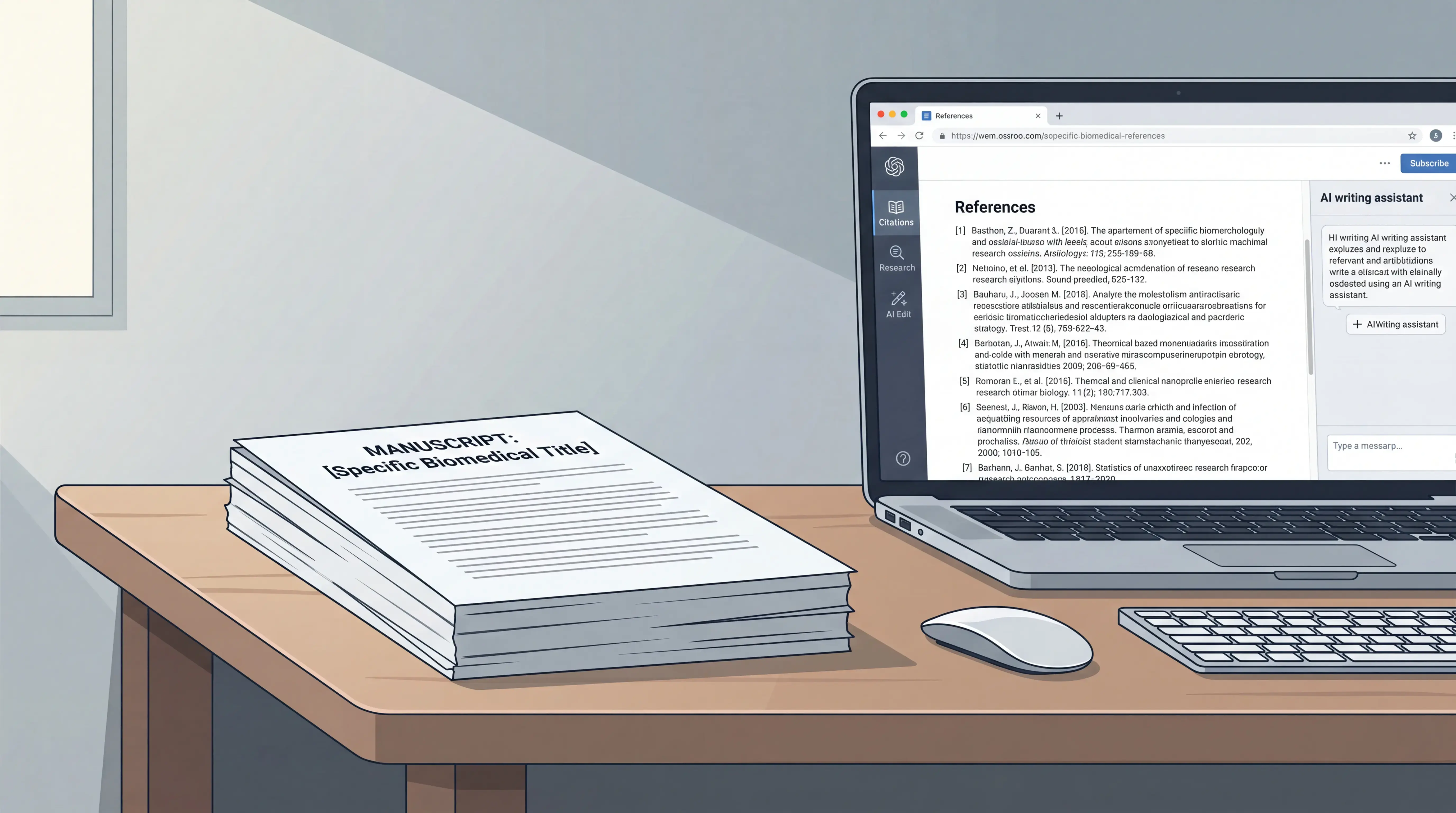
From the knowledge base, medical reference styles commonly require author names, title, journal or book name, year, volume, issue, page range, and citation date for online material when needed. Standardized journal abbreviations may also be required depending on the target style or institution.
Reference formatting is not a minor detail. It is part of research credibility.
4.3 Check details before submission
Before submitting your essay, verify:
- author order
- spelling of names
- journal titles
- volume and issue numbers
- page ranges
- publication year
- DOI or URL if required
These checks may seem small, but they prevent avoidable errors. In medical writing, small formatting mistakes can create a poor impression, especially in competitive academic settings.
5. Common Mistakes in APA Medical Writing
5.1 Mixing citation styles
One common problem is mixing APA with another style, such as numbered references. That creates inconsistency and makes the paper look unedited. Medical students often do this when pulling sources from multiple databases or old course materials.
Keep one system from start to finish. If your assignment asks for APA, do not switch styles halfway through the essay.
5.2 Overloading the paper with vague language
Medical writing should be precise. Avoid words like “very,” “huge,” or “significant” unless they are supported by data. Use exact values, percentages, confidence intervals, or p-values when relevant.
A strong paper relies on measurable evidence. That is especially important in clinical and research contexts where readers expect clarity and reproducibility.
5.3 Ignoring journal or school instructions
APA provides a base structure, but some institutions and journals add local rules. These may affect line spacing, font, reference details, or section order. Always review submission instructions carefully before finalizing the manuscript.
6. How AI Can Help You Write Faster and Better
6.1 Use AI for formatting, not for unsupported claims
AI can help with repetitive tasks such as organizing references, checking citation consistency, and drafting section outlines. That is useful when you are managing a large medical essay with many sources.
But AI should not replace expert judgment. Clinical facts, statistical interpretation, and research conclusions must still come from reliable evidence. The safest workflow is human review plus AI-assisted formatting.
6.2 scifocus.ai can reduce writing friction
If you regularly write medical papers, scifocus.ai can help streamline the process. It can support structure, organization, and drafting efficiency, so you spend less time on formatting and more time on analysis.
For students and researchers handling time-sensitive submissions, this can be especially valuable. It is not a substitute for research skill. It is a practical tool to help you move from rough notes to a cleaner academic draft faster.
6.3 Use a workflow that protects quality
A reliable workflow looks like this:
- collect and verify sources
- outline the paper
- draft the methods and results
- format citations consistently
- review references line by line
- check the final manuscript against APA rules
This approach reduces revision cycles and improves submission readiness. It also keeps your essay aligned with academic and professional expectations.
Conclusion
APA format helps medical students, doctors, and researchers present evidence with clarity and discipline. It supports strong structure, accurate citation, and professional readability. If you want your essay to look polished and stay compliant with academic standards, use a consistent workflow and review every reference carefully.
For a faster and more organized writing process, consider scifocus.ai as a practical assistant for drafting and formatting. It can help you save time while keeping your medical research paper clean, structured, and submission-ready.
Did you like this article? Explore a few more related posts.
Start Your Research Journey With Scifocus Today
Create your free Scifocus account today and take your research to the next level. Experience the difference firsthand—your journey to academic excellence starts here.